



Choosing a box build assembly manufacturer? Here are 8 questions to ask before you request a quote, and what a strong answer from each manufacturer sounds like.

Box build assembly covers everything it takes to turn a bill of materials into a finished, ready-to-use product — from component and enclosure sourcing through cable harnessing, system integration, testing, and shipment. This guide breaks down what’s included in a typical project, walks through the process step by step, and covers what both engineers and buyers should look for before committing to a manufacturing partner.

PCB assembly involves populating and testing a bare circuit board, while box build goes further, integrating one or more boards into a complete enclosure to deliver a finished, ready-to-use product. The piece explains why this distinction matters for quotes: mixing up the two can cause scope gaps, mismatched vendor comparisons, and extra coordination costs, and it recommends defining requirements upfront and using a single manufacturing partner for both services to keep things accountable and on schedule.

How Proper PCB Cleaning Helps Reduce Ionic Contamination and Improve Reliability Ionic contamination is one of the most overlooked threats to the long-term reliability of printed circuit board (PCB) assemblies. While a PCB may appear perfectly clean after assembly, invisible residues left behind from manufacturing processes can lead to corrosion, electrical leakage, and premature field […]

Essential DFM Guidelines for Solder Paste Printing A well-designed PCB doesn’t just function correctly—it must also be easy to manufacture consistently. That’s the goal of Design for Manufacturability (DFM). By considering manufacturing requirements during the PCB layout stage, engineers can reduce defects, shorten production time, and lower overall assembly costs. One of the most critical […]

IPC/WHMA-A-620 is the industry’s leading standard for cable and wire harness assembly quality, providing clear requirements for workmanship, inspection, and testing. Learn how adherence to these standards improves reliability, reduces defects, ensures compliance, and helps manufacturers deliver consistent, high-performance cable assemblies for demanding applications.

The Benefits of Automated Wire Crimping in Cable & Wire Harness Manufacturing In wire harness and cable assembly manufacturing, crimp quality directly impacts electrical performance, product reliability, and long-term durability. As production demands increase and tolerances become tighter, manufacturers rely on automated crimping equipment to improve consistency, efficiency, and quality control throughout the manufacturing process. […]
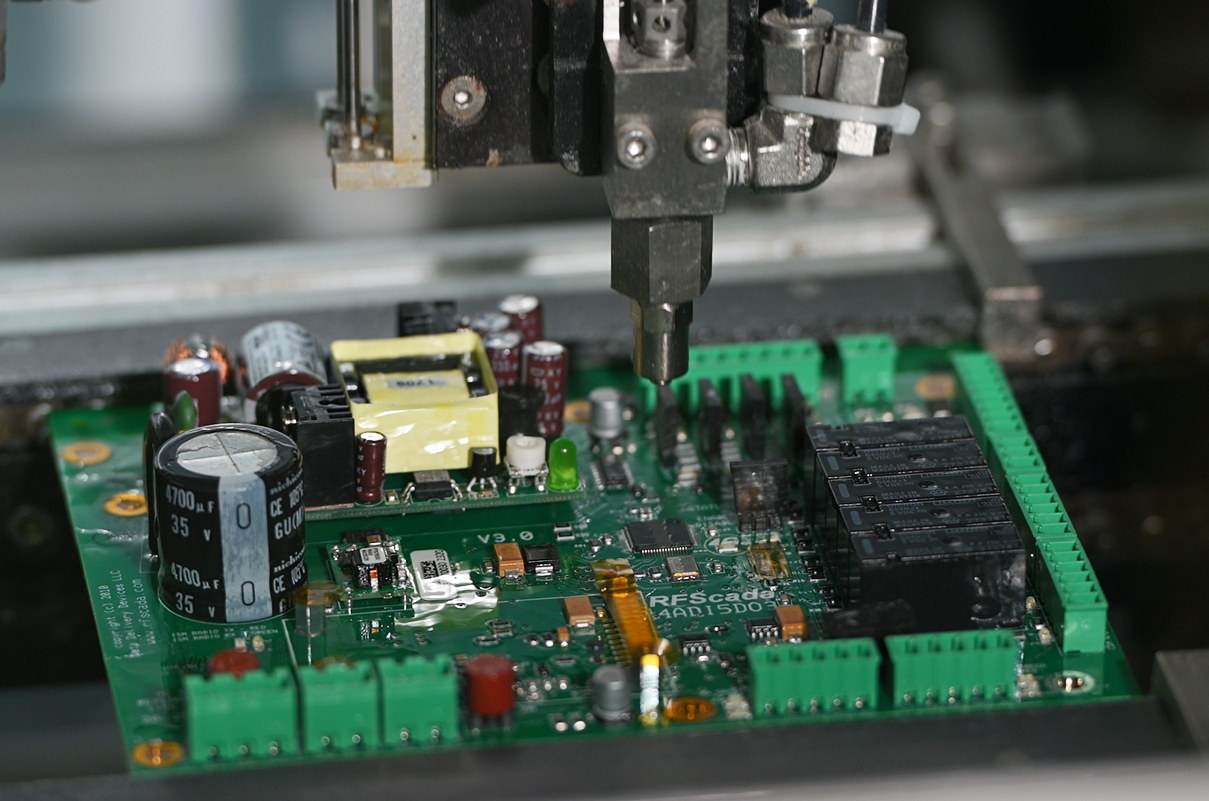
As electronics face harsher environments, from industrial equipment to outdoor IoT, PCB conformal coating becomes essential for reliability, durability, and performance. This guide covers materials, processes, design tips, and choosing the right partner.

Bringing an electronic product to market is more than just great design – it’s about ensuring that design can be manufactured efficiently, reliably, and at scale. Many products that perform well in prototyping encounter unexpected challenges in production, leading to delays, increased costs, and quality issues. That’s why choosing an EMS partner with strong Design for Manufacturing (DFM) expertise is not just helpful, it’s essential.
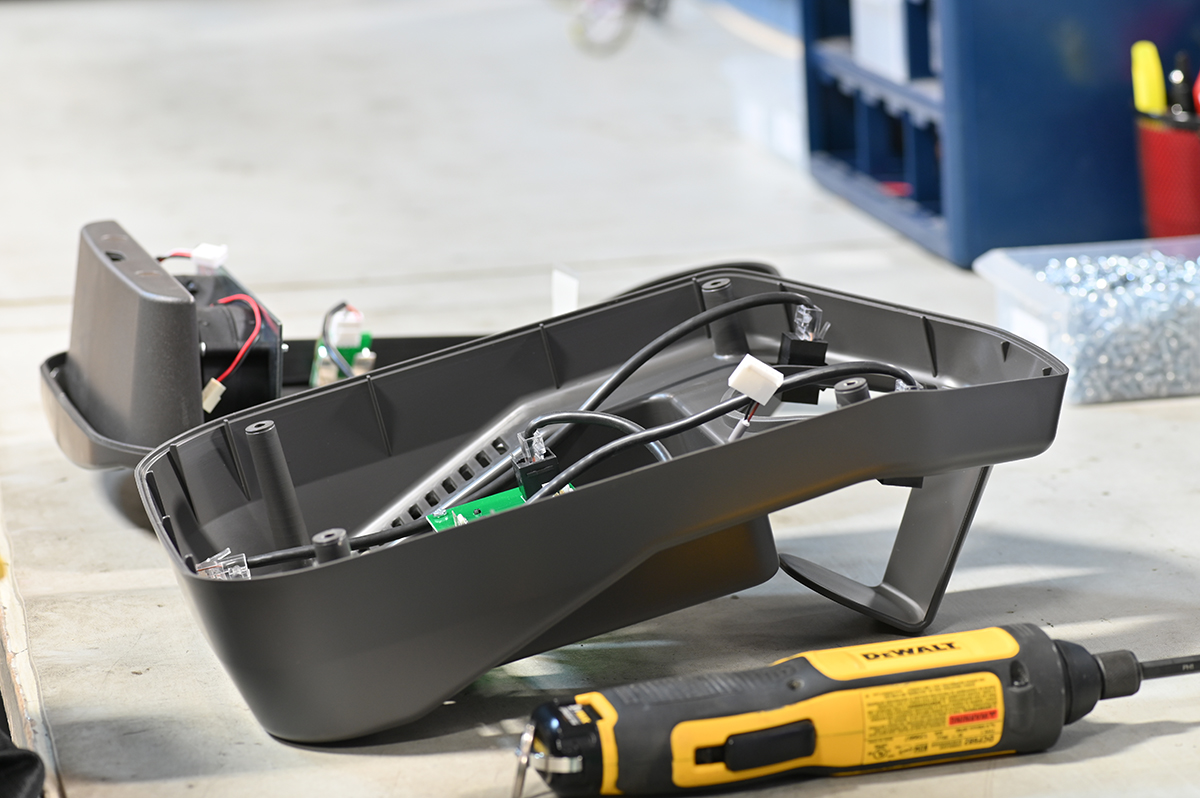
While PCB assembly often gets the spotlight, box build assembly is where everything comes together. It’s the final, critical step that transforms individual components into a fully functioning device. And when handled by an experienced manufacturing partner, it can unlock significant operational and strategic advantages.
- 1
- 2