


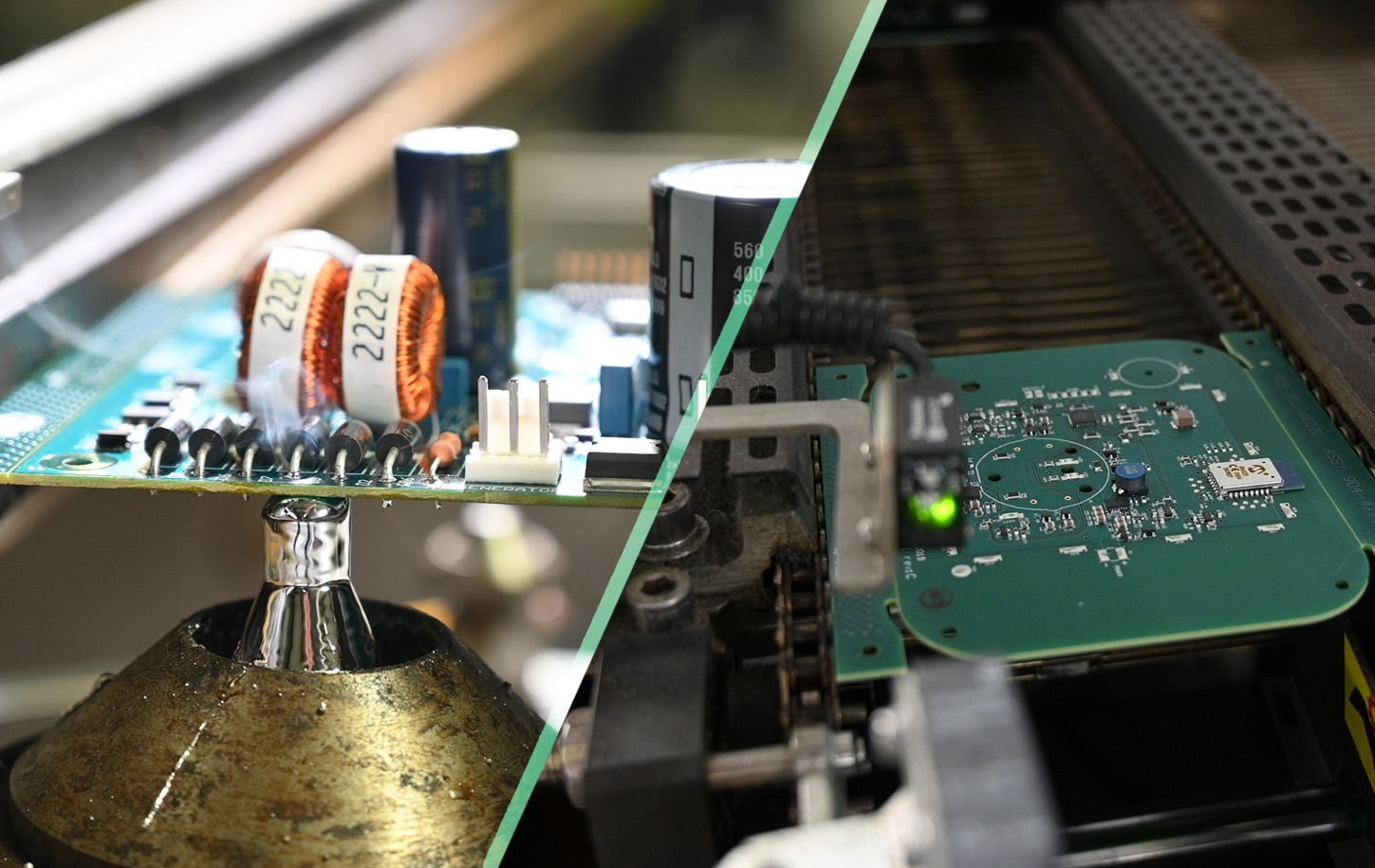
The Heat is On: Understanding Reflow and Wave Soldering in PCB Assembly
In modern electronics manufacturing, soldering is one of the most critical stages in assembling printed circuit boards (PCBs). It’s the process that physically and electrically connects components to the board, and the choice of soldering method can greatly impact product quality, reliability, and cost. Two of the most widely used techniques are reflow soldering and wave soldering, each suited for specific component types and assembly requirements.
What Is Reflow Soldering?
Reflow soldering is the most common process used in Surface Mount Technology (SMT) assembly. During this process, components are accurately placed onto pads coated with solder paste, a mixture of solder particles and flux. The PCB then passes through a reflow oven, where the solder paste melts and solidifies to form permanent electrical and mechanical connections.
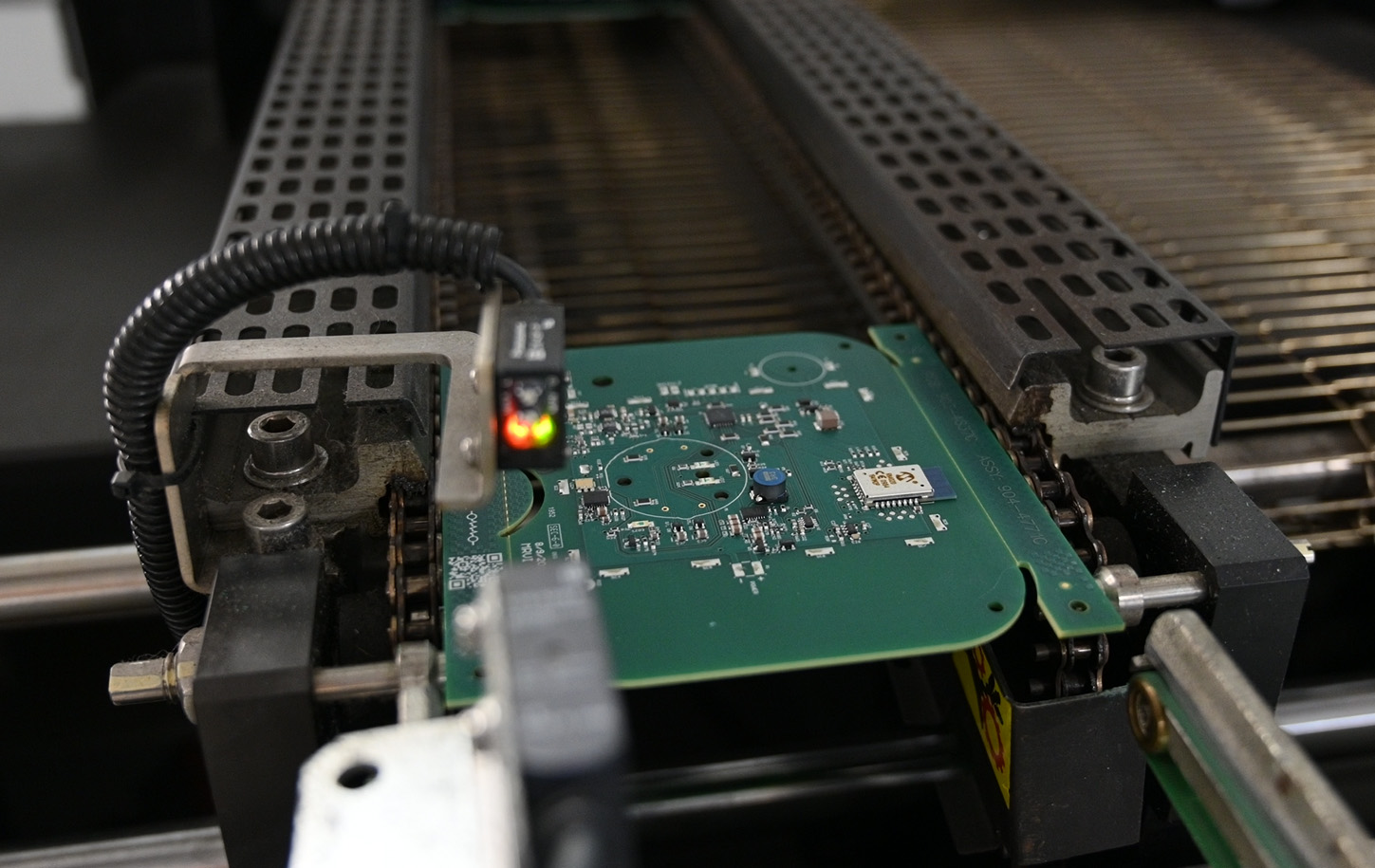
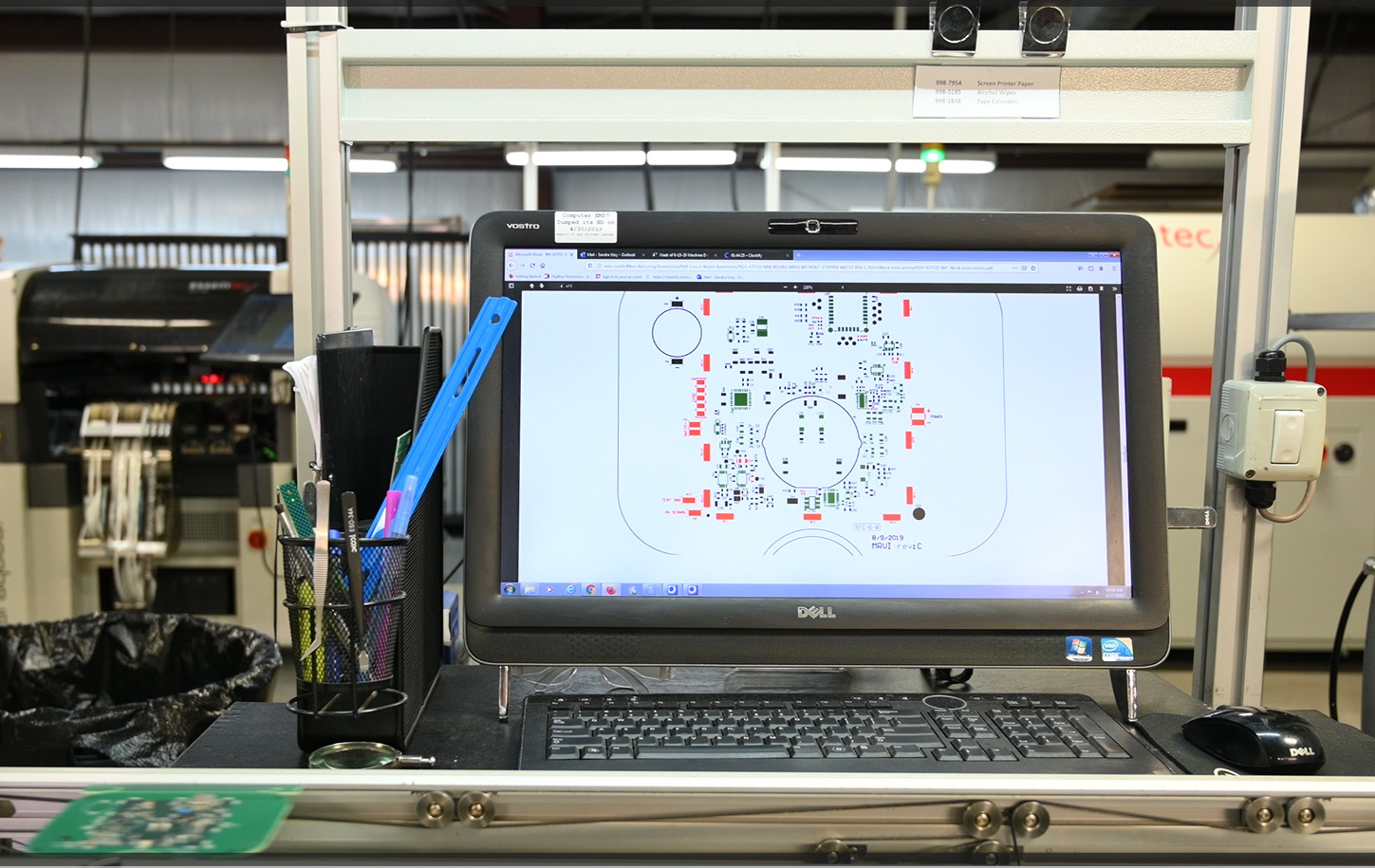
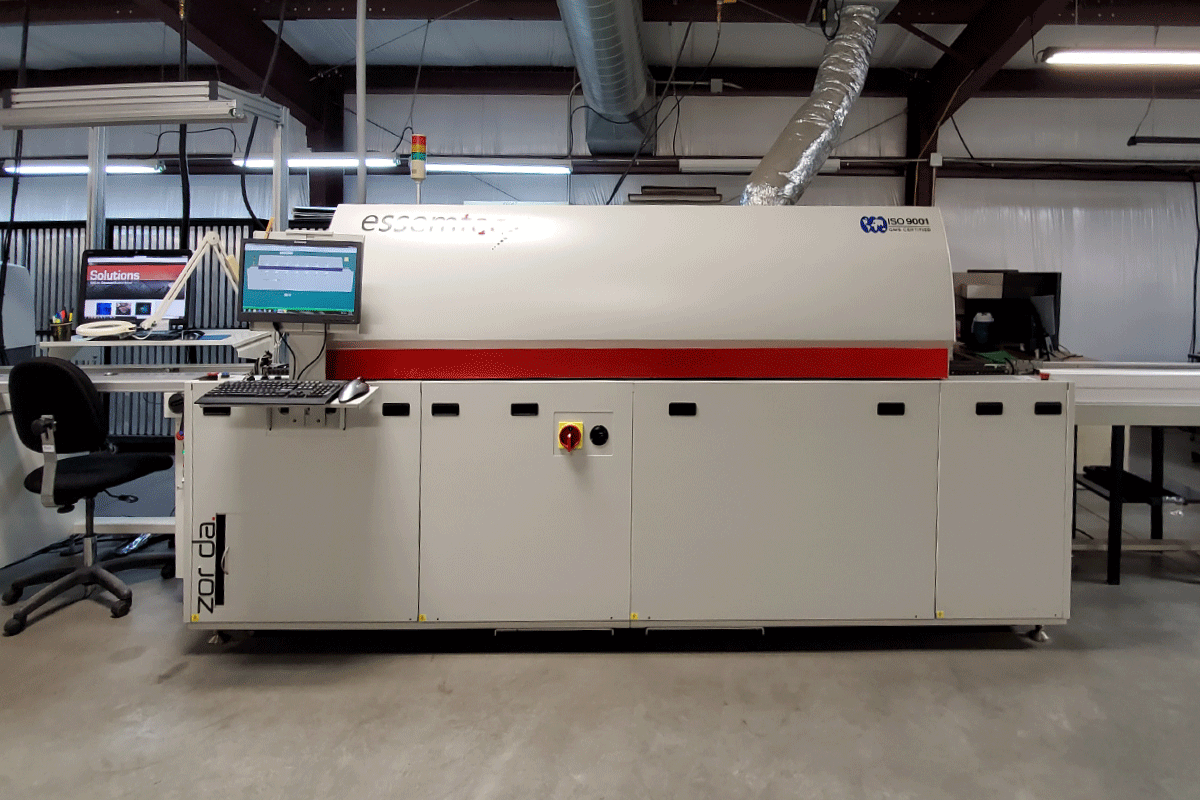
The Reflow Soldering Process:
- Preheat & Soak: Gradual heating activates the flux and ensures even temperature distribution.
- Reflow (Peak): The temperature briefly exceeds the solder’s melting point, bonding the components to the pads.
- Cooling: Controlled cooling solidifies the solder joints and locks components in place.
Advantages of Reflow Soldering:
- Ideal for fine-pitch and miniaturized components.
- Enables double-sided PCB assembly.
- Works seamlessly with automated pick-and-place systems.
- Produces clean, consistent solder joints for superior reliability.
At EMS, our advanced reflow ovens and precise thermal profiling ensure consistent results—perfect for high-density SMT assemblies used in consumer electronics, industrial controls, and communication systems.
What Is Wave Soldering?
Wave soldering is a time-tested process used primarily for Through-Hole Technology (THT) components or mixed-technology boards that combine surface-mount and through-hole parts. In this method, the PCB passes over a wave of molten solder, which forms secure electrical and mechanical connections to each component lead.
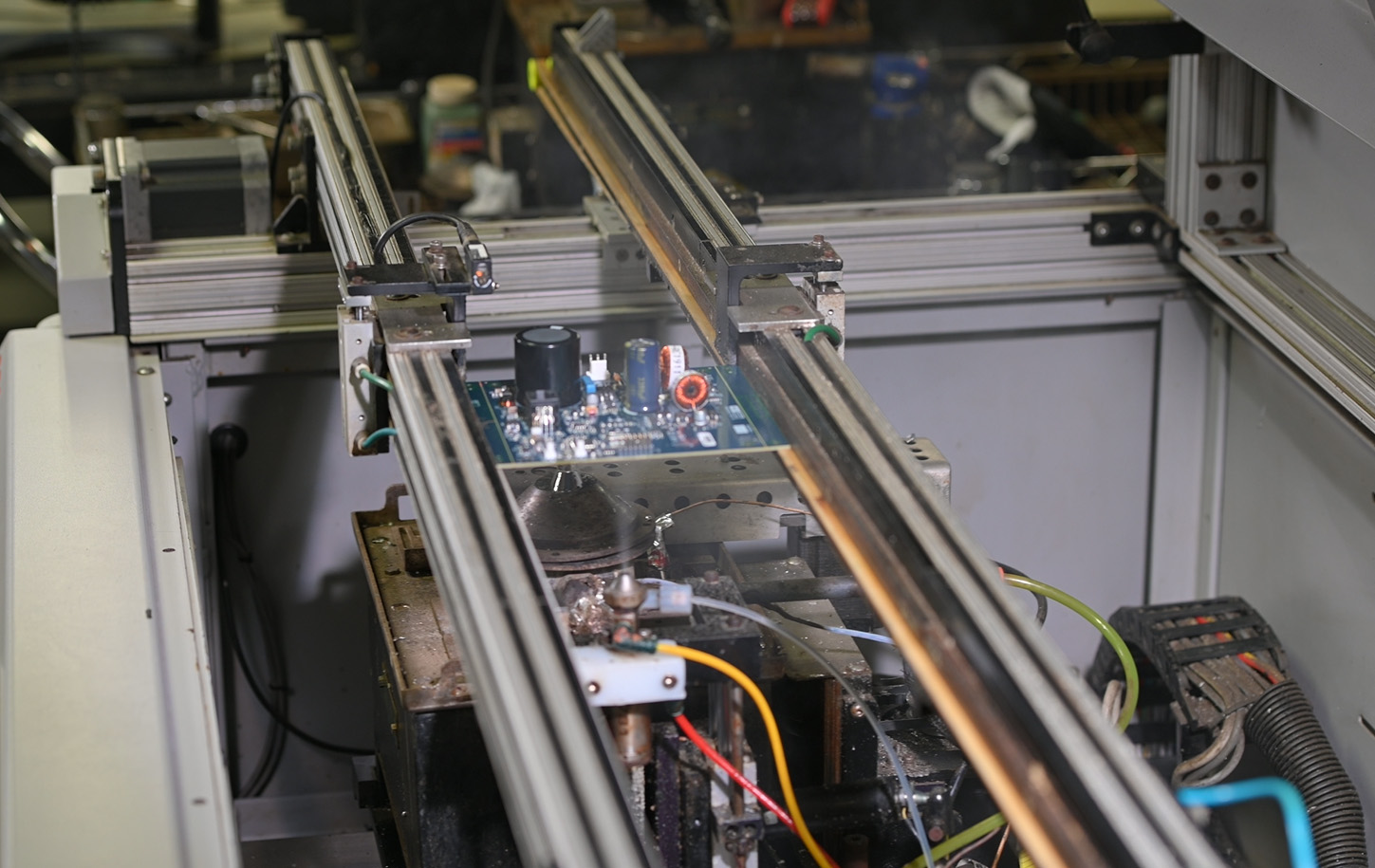
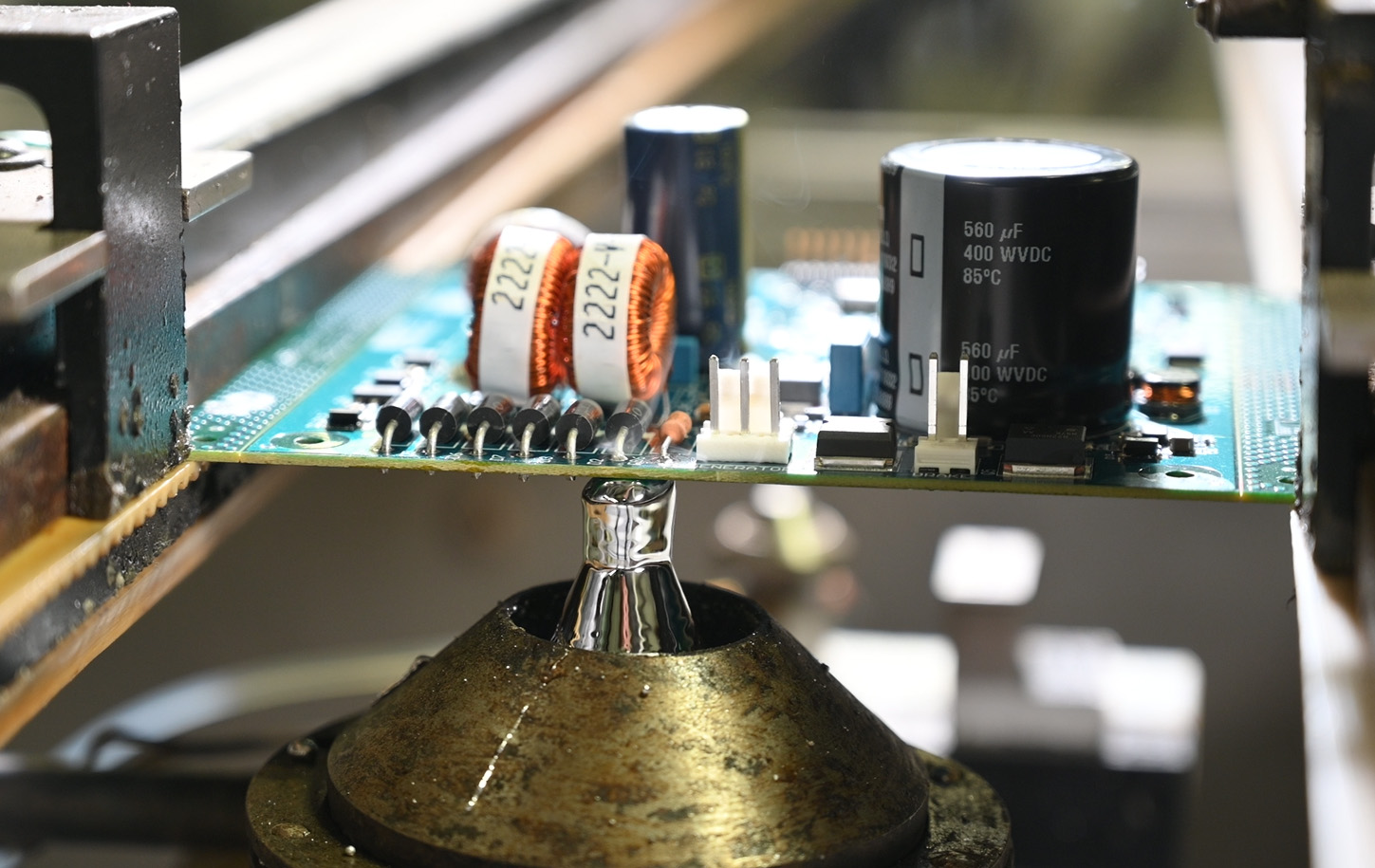
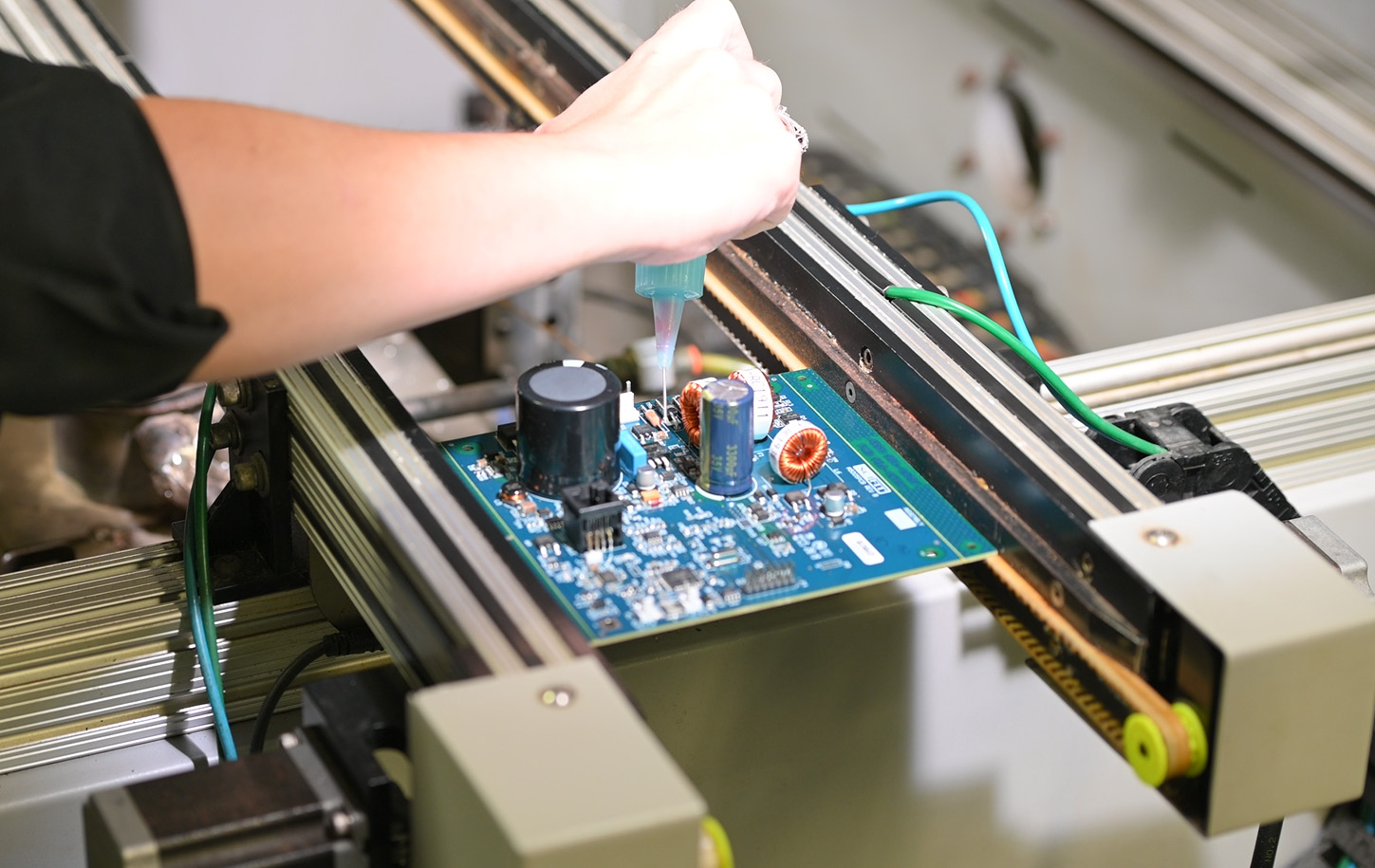
The Wave Soldering Process:
- Fluxing: A layer of flux removes oxides and improves solder wetting.
- Preheating: The PCB warms up to prevent thermal shock.
- Solder Wave: The board travels over a flowing wave of molten solder, coating and connecting component leads.
- Cooling: The solder joints solidify, completing the assembly.
Advantages of Wave Soldering:
- Provides strong, durable joints for through-hole components.
- Highly efficient for large production runs.
- Cost-effective for traditional and high-current assemblies.
- Reduces manual soldering and improves process repeatability.
At EMS Cable, our wave soldering lines deliver dependable results for products requiring mechanical strength and electrical integrity, such as power boards, connectors, and industrial equipment.
Reflow vs. Wave Soldering: Which Process Is Right for Your PCB?
| Feature | Reflow Soldering | Wave Soldering |
|---|---|---|
| Best For | Surface-mount components (SMT) | Through-hole components (THT) |
| Assembly Type | Double-sided SMT boards | Single-sided or mixed assemblies |
| Production Volume | Moderate to high | High-volume THT |
| Automation | Fully automated | Semi-automated |
| Solder Joint Quality | Precise, clean joints | Strong, mechanical joints |
At EMS, Inc., our engineering team determines the ideal soldering process—or combination of both—based on your PCB design, component types, and production goals. This approach ensures every product we build meets strict quality and performance standards.
Why Choose EMS, Inc. for PCB Assembly Services
- Full-service electronic manufacturing for PCB and cable assemblies.
- Automated reflow and wave soldering systems for accuracy and speed.
- IPC-compliant soldering standards for consistent quality.
- End-to-end testing and inspection to verify solder joint integrity.
- Scalable from prototype to high-volume production.
Our commitment to quality, precision, and reliability makes our company a trusted partner for OEMs and contract manufacturing projects across industries including industrial, automotive, telecommunications, and medical electronics.
Partner with EMS, Inc. for Reliable PCB Assembly
Whether you need SMT reflow soldering, THT wave soldering, or a combination of both, our company provides the expertise, technology, and flexibility to deliver high-quality PCB assembly services that meet your performance and cost objectives.
Contact us today to learn how we can support your next electronic manufacturing project with precision, reliability, and speed.