



How Proper PCB Cleaning Helps Reduce Ionic Contamination and Improve Reliability Ionic contamination is one of the most overlooked threats to the long-term reliability of printed circuit board (PCB) assemblies. While a PCB may appear perfectly clean after assembly, invisible residues left behind from manufacturing processes can lead to corrosion, electrical leakage, and premature field […]
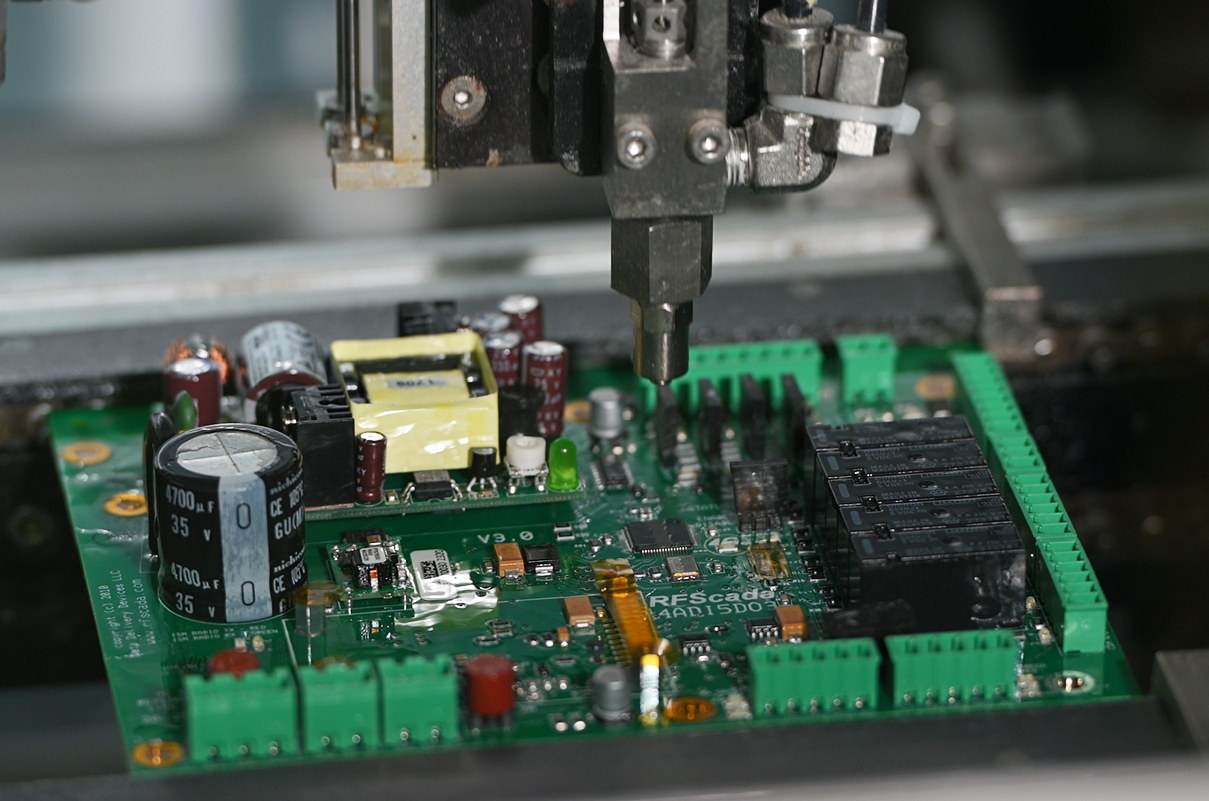
As electronics face harsher environments, from industrial equipment to outdoor IoT, PCB conformal coating becomes essential for reliability, durability, and performance. This guide covers materials, processes, design tips, and choosing the right partner.
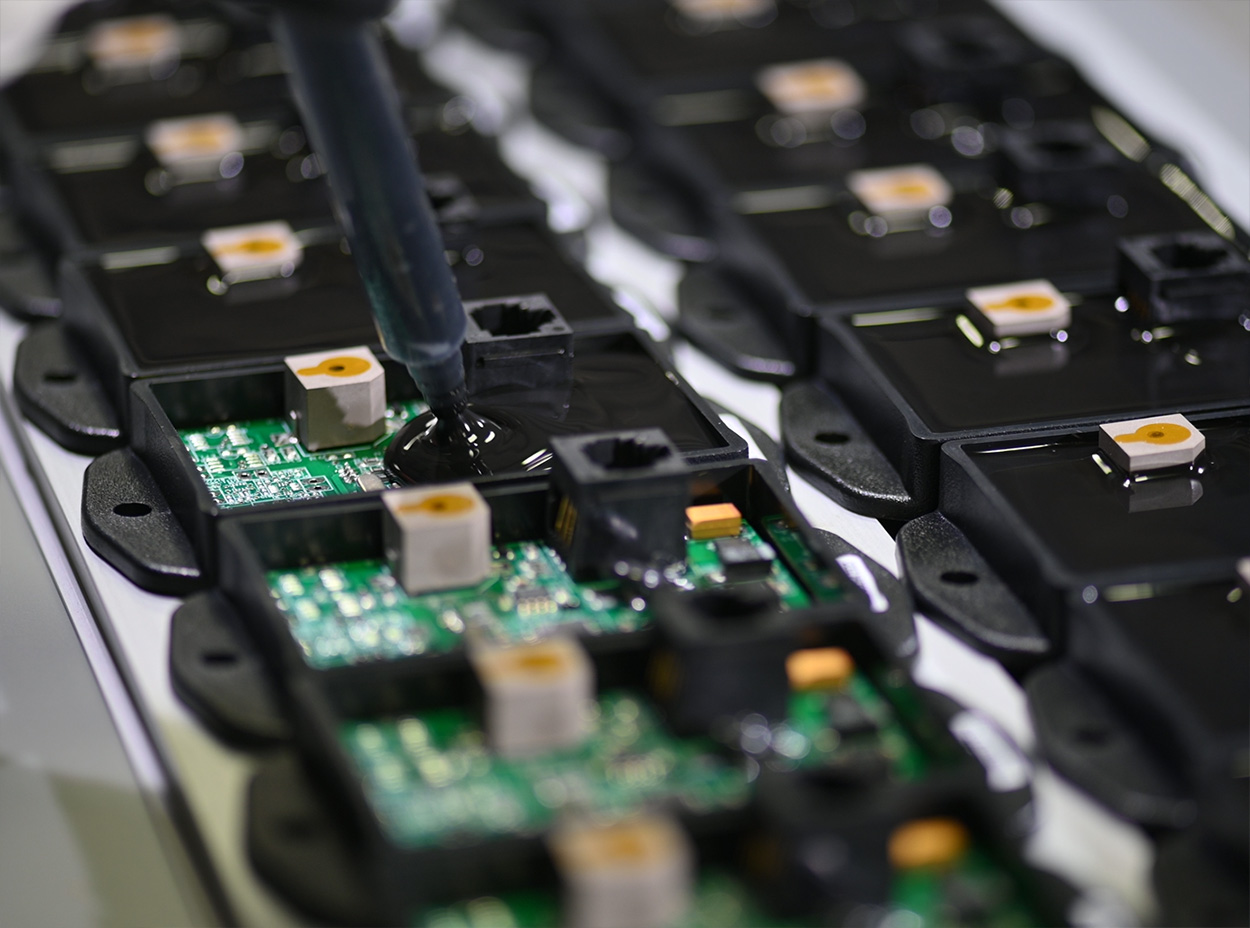
Potting protects sensitive electronics by filling assemblies with a solid compound to create a permanent, sealed barrier. This process shields components from moisture, vibration, and thermal stress, offering a level of ruggedization that standard enclosures cannot match. By reinforcing mechanical structures and preventing corrosion, potting significantly extends the lifespan and reliability of devices in harsh environments.
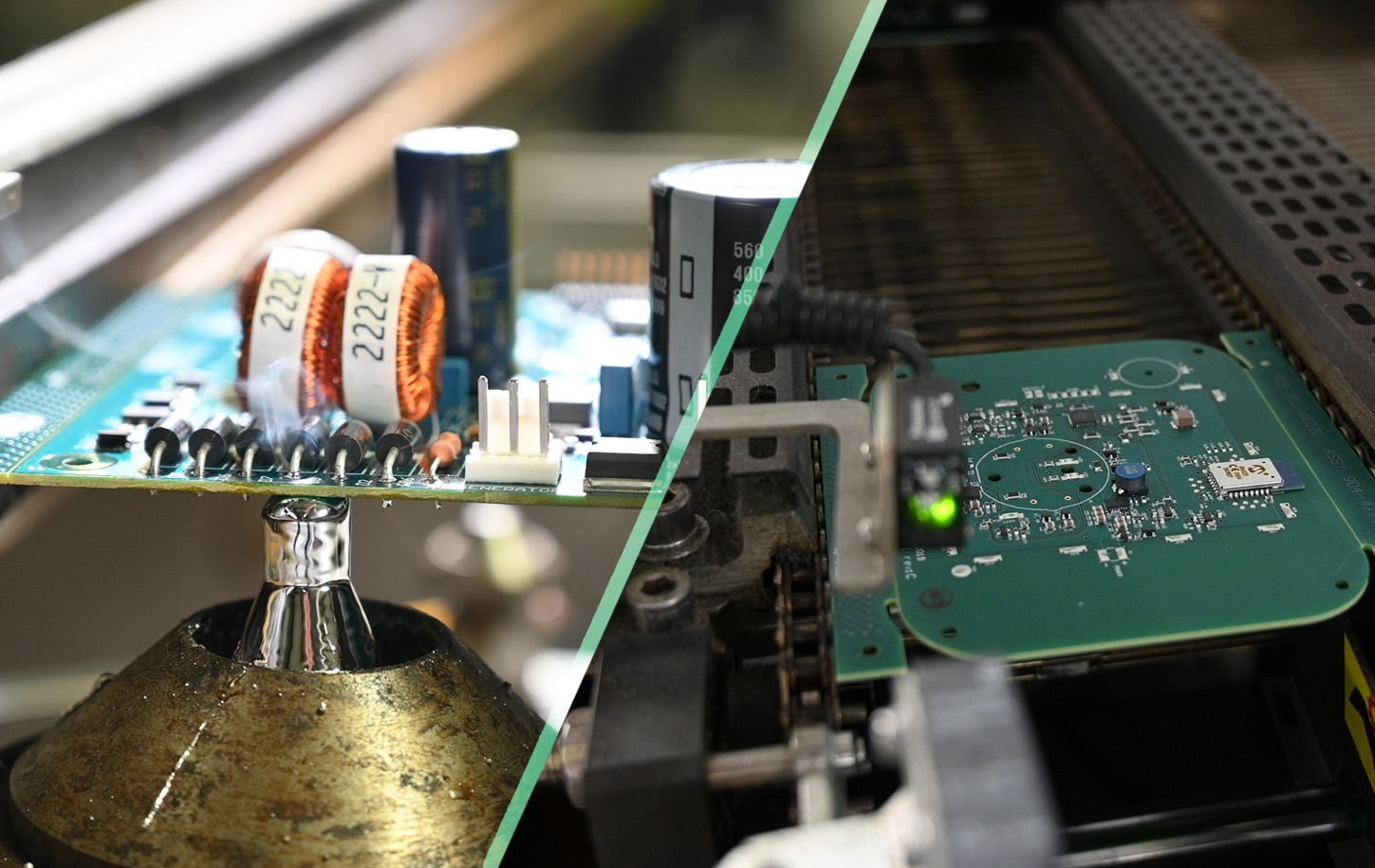
In modern PCB assembly, soldering is a critical stage that determines product quality, reliability, and cost. The two primary techniques – reflow and wave soldering – are each optimized for specific component types and manufacturing requirements.
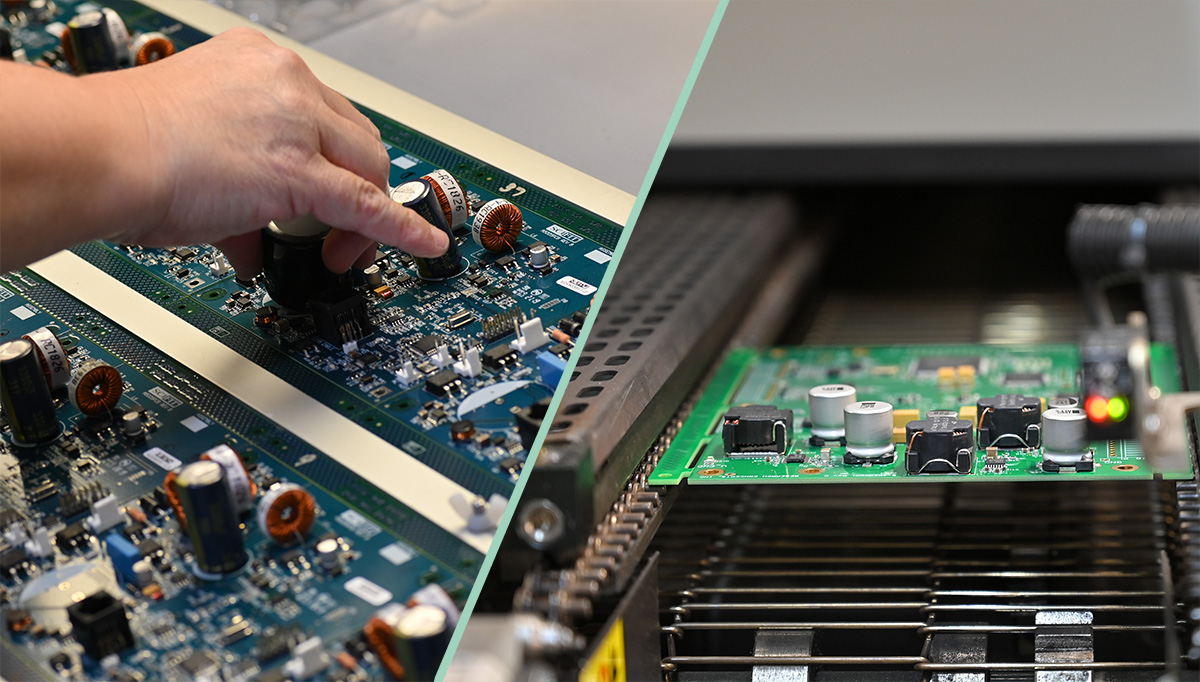
Choosing between SMT and THT is a pivotal decision in PCB assembly. While both are essential, they offer unique benefits in design flexibility, performance, and durability. Selecting the right process depends entirely on your product’s specific goals and operating environment.