


SMT vs. Through-Hole Assembly: Choosing the Right Approach for Your PCB
When it comes to PCB assembly, engineers and manufacturers often face an important choice: Surface Mount Technology (SMT) or Through-Hole Technology (THT). Both play vital roles in electronics manufacturing, yet each offers distinct advantages in terms of design flexibility, performance, and durability. Understanding their differences helps you select the right assembly process for your product’s goals and operating conditions.
What Is Surface Mount Technology (SMT)?
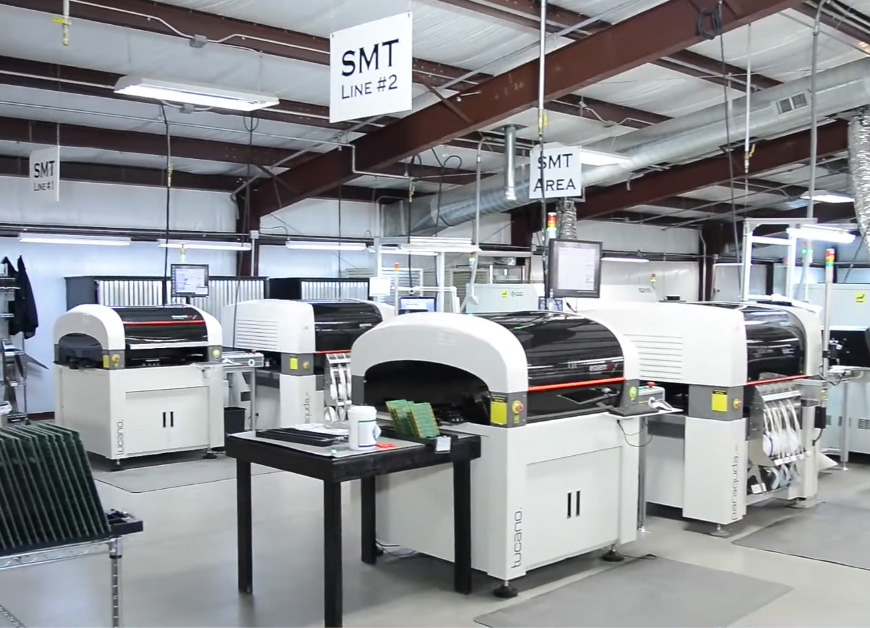
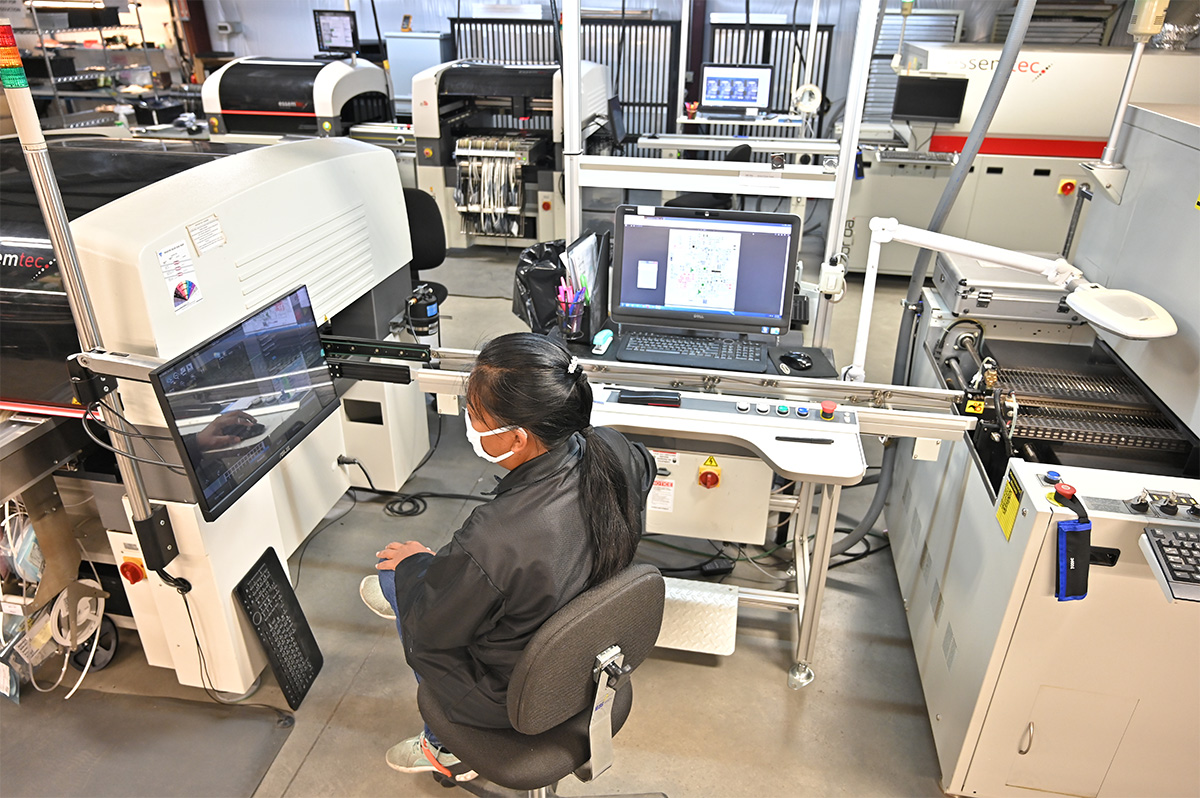
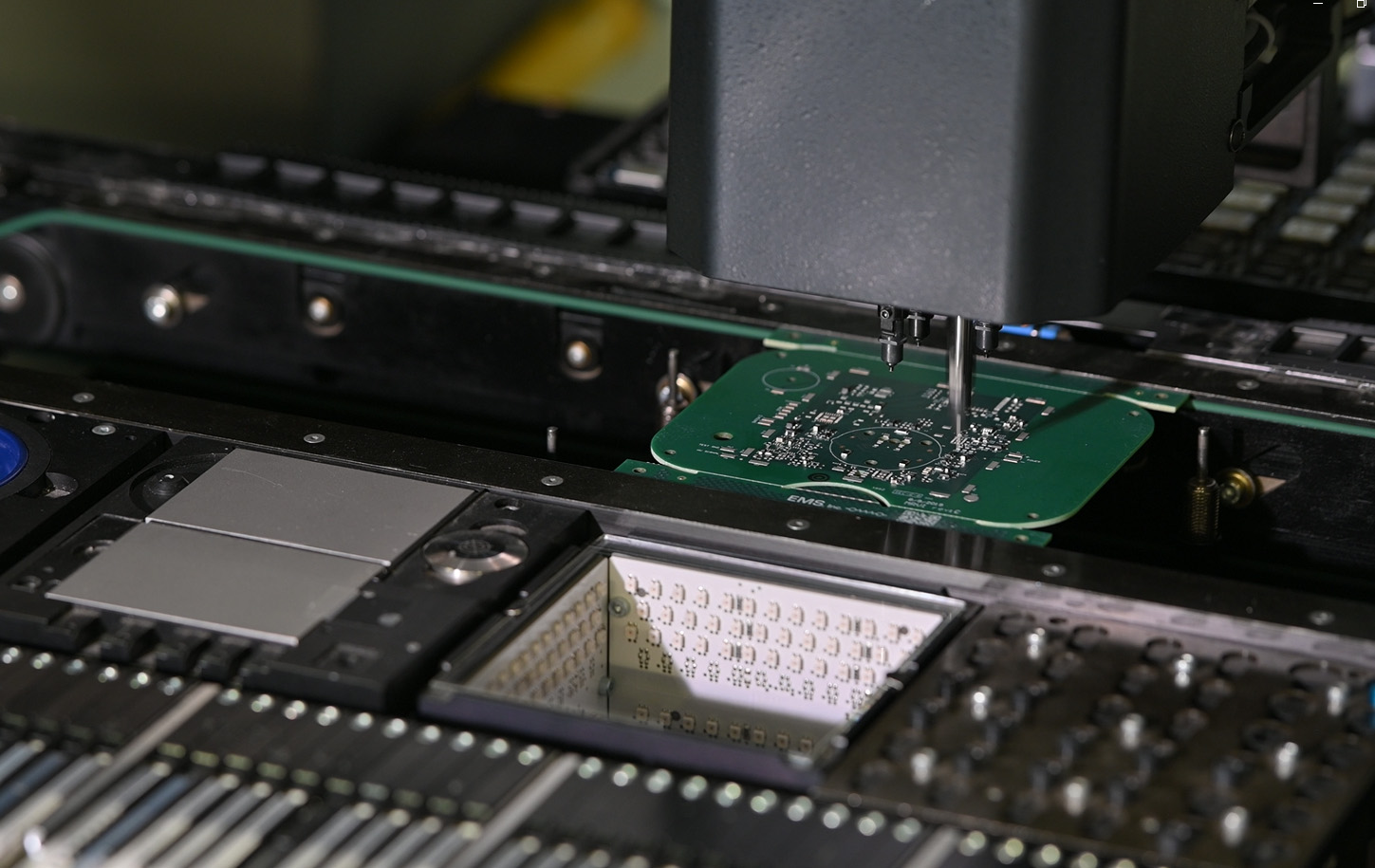
Surface Mount Technology (SMT) is the modern standard in PCB manufacturing and assembly. In SMT, components are mounted directly onto the surface of the circuit board instead of being inserted through holes. Using high-speed automated placement machines, SMT assembly allows for dense, precise, and cost-effective production.
Key Advantages of SMT Assembly:
- Compact Design: Enables smaller, lighter PCBs with higher component density.
- High-Speed Production: Ideal for automated, high-volume manufacturing.
- Improved Electrical Performance: Shorter signal paths enhance speed and reliability.
- Lower Cost: Minimizes drilling and manual soldering, reducing production costs.
Best Applications:
Consumer electronics, automotive electronics, industrial controls, medical devices, and telecommunications systems.
What Is Through-Hole Technology (THT)?
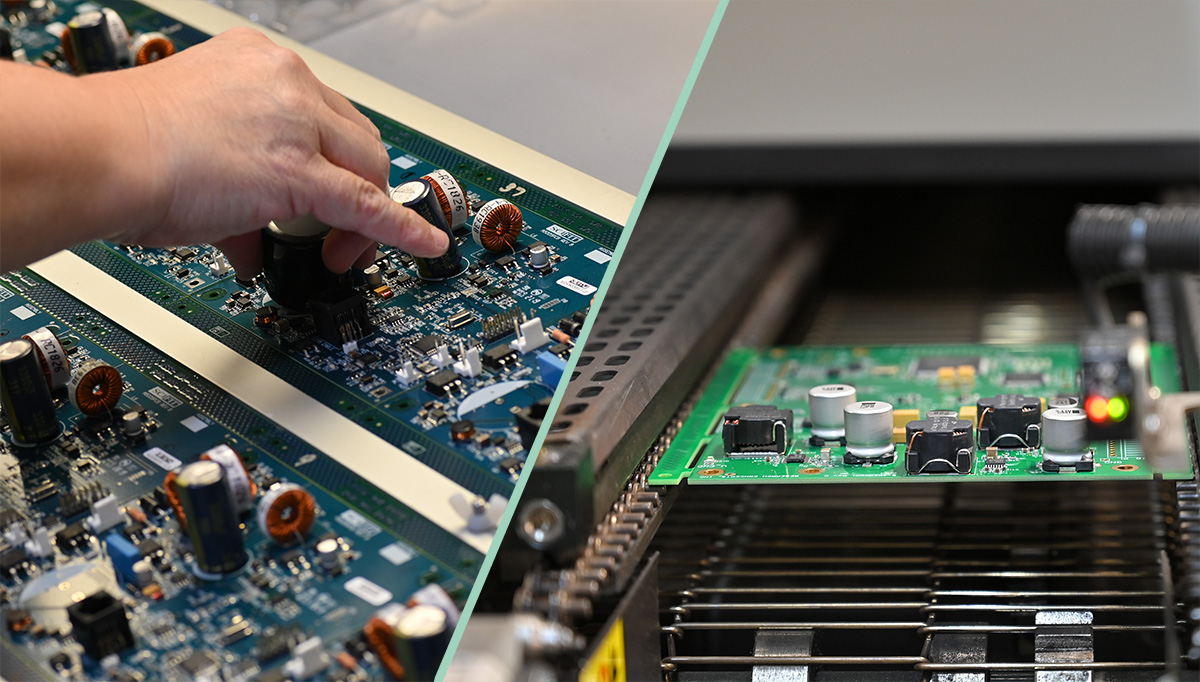
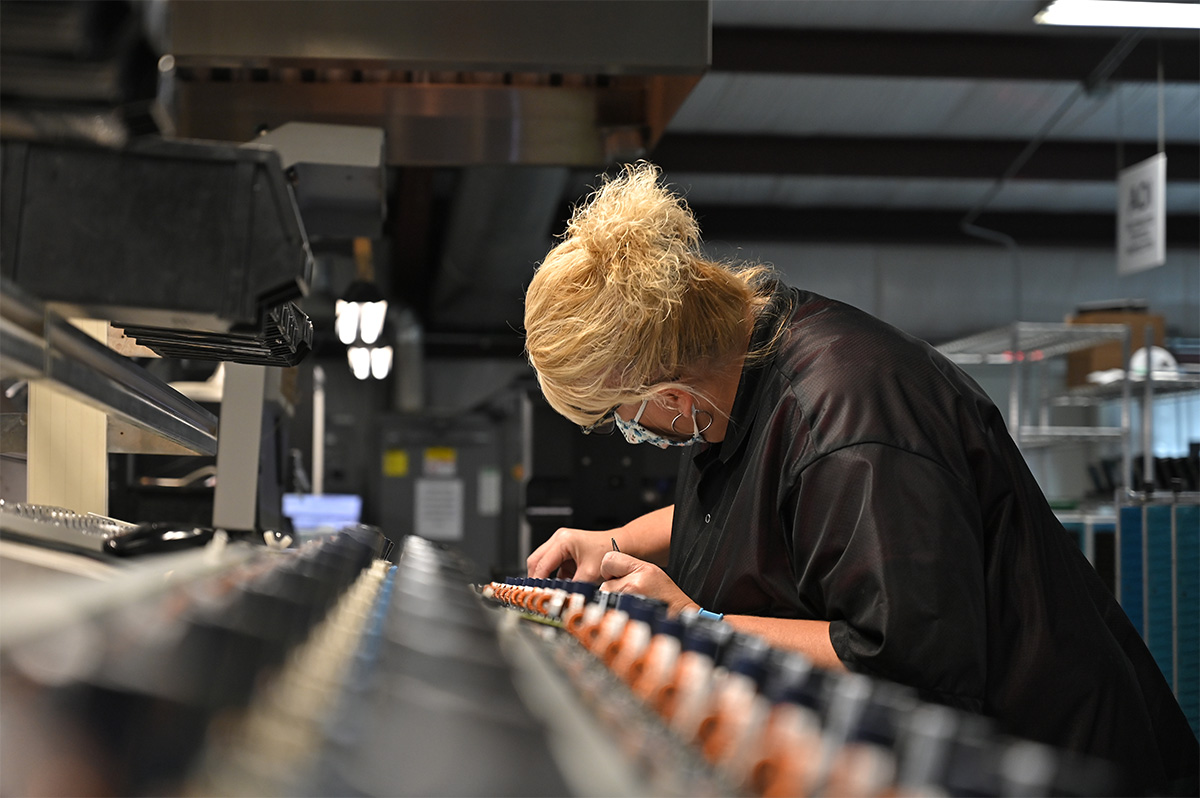
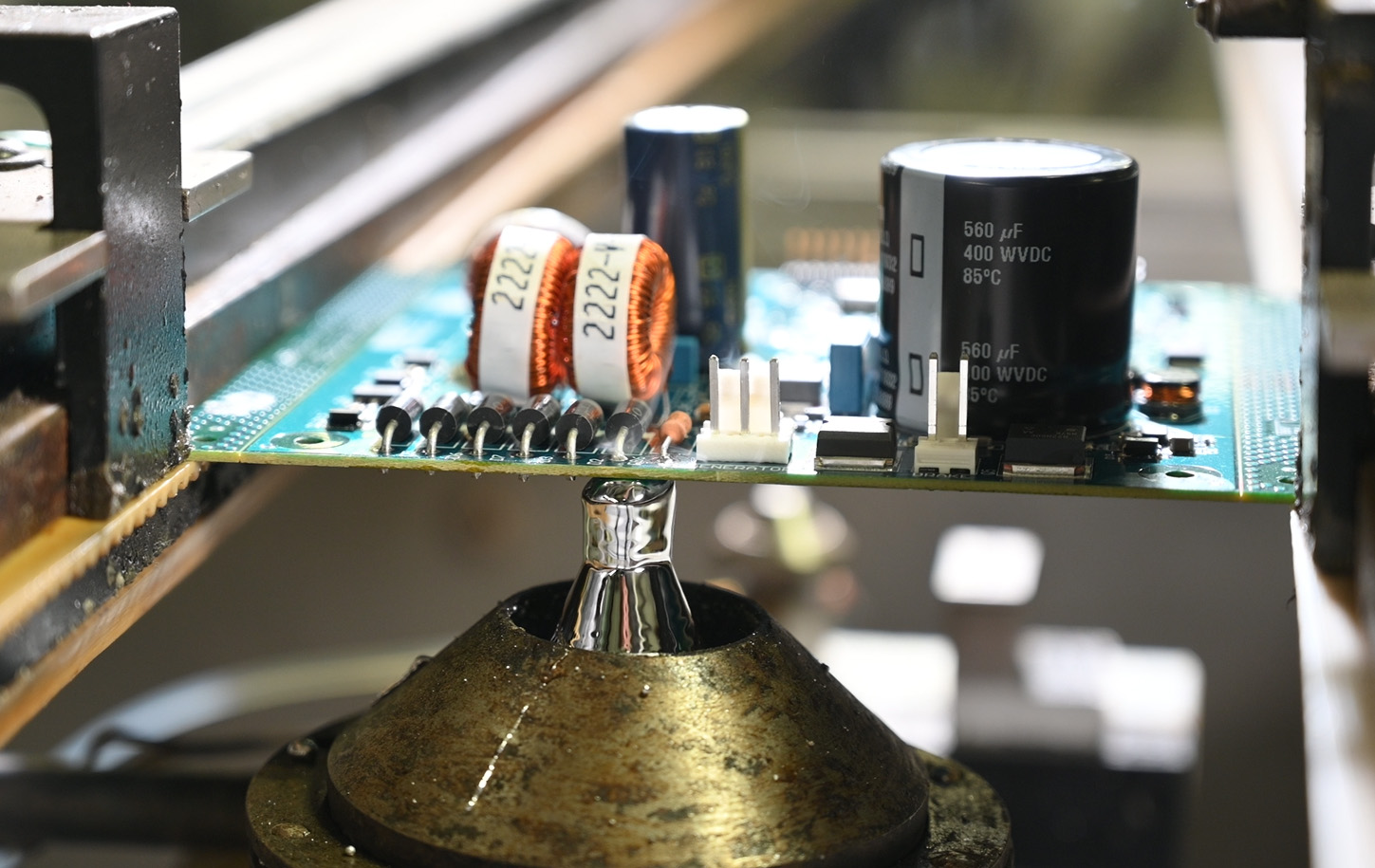
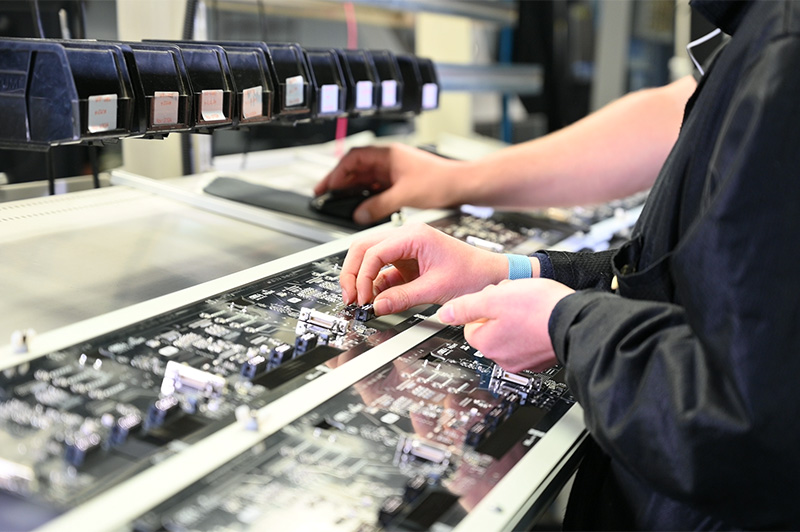
Through-Hole Assembly involves inserting component leads into pre-drilled holes and soldering them on the opposite side of the board. This traditional process provides superior mechanical strength, making it suitable for rugged environments and components subject to mechanical stress.
Key Advantages of Through-Hole Assembly:
- Strong Mechanical Bonds: Excellent for connectors, transformers, and heavy components.
- Durability Under Stress: Reliable for applications exposed to heat, vibration, or impact.
- Easy Prototyping and Testing: Ideal for small runs, testing, and manual adjustments.
Best Applications:
Power supplies, aerospace and defense electronics, industrial equipment, and high-reliability systems.
SMT vs. Through-Hole: A Quick Comparison
| Feature | Surface Mount Technology (SMT) | Through-Hole Technology (THT) |
|---|---|---|
| Component Mounting | Mounted on PCB surface | Inserted through drilled holes |
| Production Method | Automated | Manual or semi-automated |
| Board Density | High | Moderate |
| Mechanical Strength | Moderate | Very High |
| Cost Efficiency | High for large runs | Higher cost per board |
| Typical Use | Compact, high-speed electronics | Rugged, high-power devices |
The Hybrid Approach: Combining SMT and THT
In many designs, hybrid PCB assembly, combining both SMT and Through-Hole, delivers the best performance. SMT components can handle signal processing and logic functions, while through-hole parts support connectors, mechanical mounts, or power components. This approach balances compact design with long-term reliability.
Which PCB Assembly Method Is Right for You?
Choosing between SMT and Through-Hole depends on your product requirements, environment, and production scale:
- Choose SMT for high-density, cost-efficient, or miniaturized electronics.
- Choose Through-Hole for applications needing strong mechanical bonds or higher durability.
- Opt for hybrid assembly when your design demands both precision and strength.
Partner with an Experienced PCB Assembly Manufacturer
At EMS, Inc., we specialize in both SMT PCB assembly and Through-Hole PCB assembly services, offering full turnkey manufacturing, prototyping, and testing. Our advanced inspection and process control systems ensure that every board meets your design specifications with accuracy and consistency.
Whether you need quick-turn SMT assembly or rugged through-hole assembly, our team can help you optimize your design for performance, reliability, and cost efficiency.
Contact us today to discuss your PCB assembly needs or request a quote for your next electronics manufacturing project.