

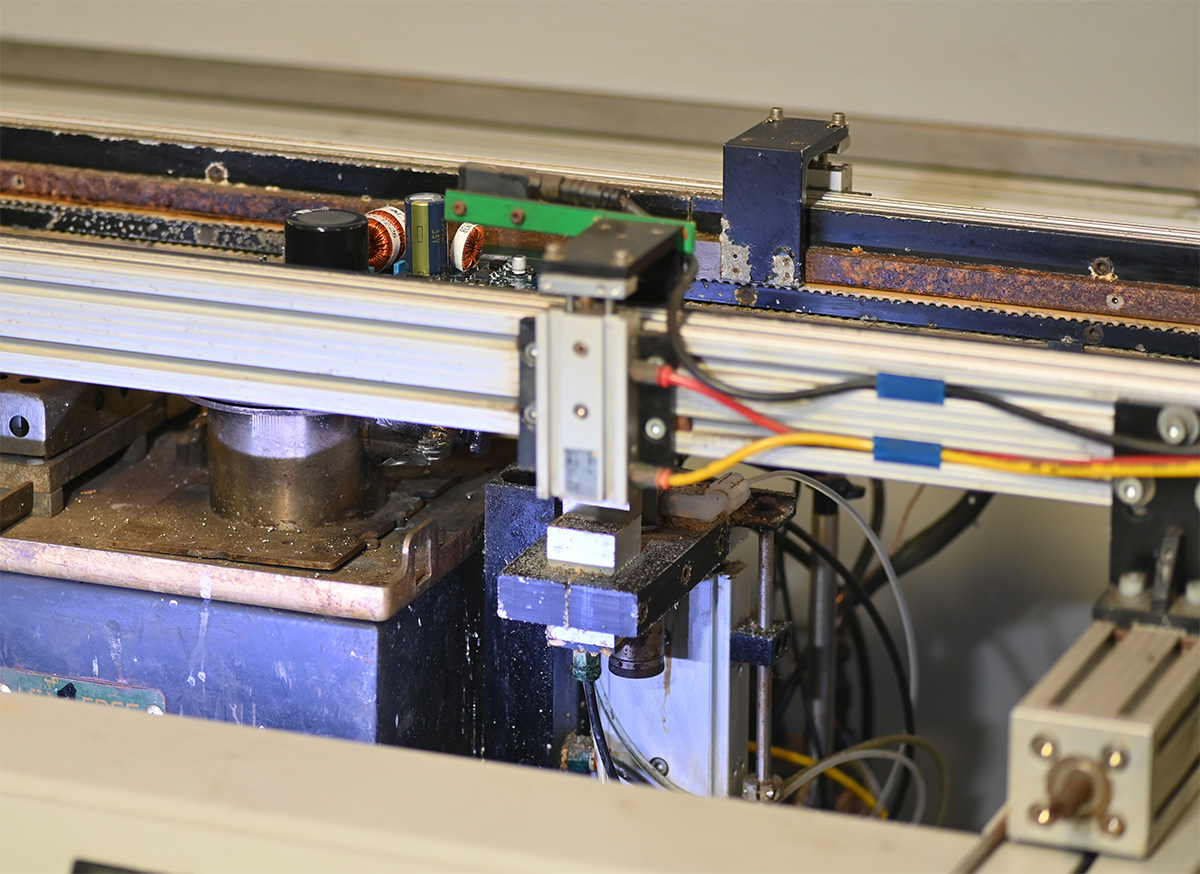
Common Questions About Maintaining Wire Harnesses in Machines
Wire harnesses play a critical role in the reliability and performance of industrial machines, vehicles, and electronic systems. Acting as the “nervous system” of equipment, they ensure that electrical signals and power are efficiently distributed to every component. Because they’re often hidden within enclosures, harnesses can be easy to overlook—until something goes wrong. Proper maintenance, however, helps prevent costly downtime and extends the lifespan of both the harness and the equipment it supports.
Below are some of the most common questions about maintaining wire harnesses in machines, along with practical answers and best practices.
Why Do Wire Harnesses Fail?
Wire harnesses fail for a variety of reasons, often due to the harsh conditions they operate in. The most common culprits include:
- Abrasion and Chafing: Constant vibration or movement can cause the harness insulation to rub against sharp edges or other components, leading to exposed and shorting wires.
- Heat Damage: Excessive heat from the machine’s operation or the surrounding environment can degrade the insulation and connectors, making the wires brittle.
- Moisture and Contaminants: Water, oil, chemicals, and dust can seep into connectors and along wires, causing corrosion and signal loss.
- Bending Stress: Repeated, sharp bending, often near connectors or strain relief points, can break the internal conductors.
- Improper Installation: Harnesses that are incorrectly routed, tied too tightly, or insufficiently protected can fail prematurely.
How Often Should I Inspect My Wire Harnesses?
The inspection frequency largely depends on the operating environment and duty cycle of the machine.
- High-Stress/Critical Machines: Equipment exposed to constant vibration, extreme temperatures, or corrosive elements (like construction or mining machinery) should have a visual inspection at least monthly, if not weekly.
- Standard Industrial/Controlled Environment: For machines in cleaner, climate-controlled settings, a thorough quarterly or semi-annual visual inspection is usually sufficient.
- Preventative Maintenance (PM) Cycles: It’s a best practice to integrate wire harness checks into your machine’s existing scheduled preventative maintenance routines.
During an inspection, look for visible signs of distress like cracked insulation, loose or discolored connectors, frayed protective coverings (loom/tape), and any evidence of rubbing or crushing.
What Are the Key Signs of an Impending Harness Failure?
Early detection can save you significant downtime. Be vigilant for these warning signs:
- Intermittent Operation: The machine or a specific function works sometimes but not others, which can indicate a loose connection or a partial wire break.
- Visible Damage: Any tears, burns, melting, or crushing on the outer protective sleeve.
- Discolored or Brittle Connectors: Connectors that look warped, brown, or black often point to overheating and poor terminal contact.
- Flickering Indicator Lights/Gauges: Erratic electrical signals are a sign of potential electrical interference or poor grounding.
- Diagnostic Trouble Codes (DTCs): Modern machines often log specific codes related to open circuits, short circuits, or voltage errors in the wiring.
How Can I Extend the Lifespan of My Wire Harnesses?
Proactive maintenance and protection are the best ways to ensure a long life for your harnesses:
- Proper Routing and Securing: Always ensure harnesses are secured using the correct clips, ties, and clamps, following the original equipment manufacturer’s (OEM) path. Never let them dangle or rub against moving parts.
- Use of Protective Sleeving: Employ appropriate loom, conduit, or braided sleeving to shield the harness from physical damage, heat, and chemicals. Consider heat-shrink tubing for extra protection at vulnerable connection points.
- Keep it Clean: Regularly clean harnesses, especially in environments with dust or oil. Use approved electrical contact cleaners to ensure connectors remain free of grime and corrosion.
- Avoid Excessive Tightening: When re-installing harnesses, do not use excessive force on cable ties, as this can crush the internal wires.
- Strain Relief: Ensure connectors are always properly seated and that the harness is secured near the connection point to prevent stress on the terminals (strain relief).
Is It Better to Repair or Replace a Damaged Harness?
This is often a tough decision that comes down to the extent of the damage and the criticality of the application.
- Minor Damage (Repair): A single frayed wire, a loose terminal pin, or localized insulation wear can often be repaired reliably using professional-grade tools, quality connectors, and heat-shrink tubing.
- Extensive Damage (Replace): If multiple wires are damaged, the damage is spread over a long distance, the main connector body is compromised, or the harness is exposed to extreme contamination, replacement is usually the safer and more cost-effective long-term solution. A new OEM harness ensures proper wire gauge, termination quality, and electrical integrity.
Don’t let a small wire failure turn into a major machine breakdown. By understanding these common questions and implementing a consistent maintenance plan, you can significantly improve the reliability and uptime of your valuable machinery.