

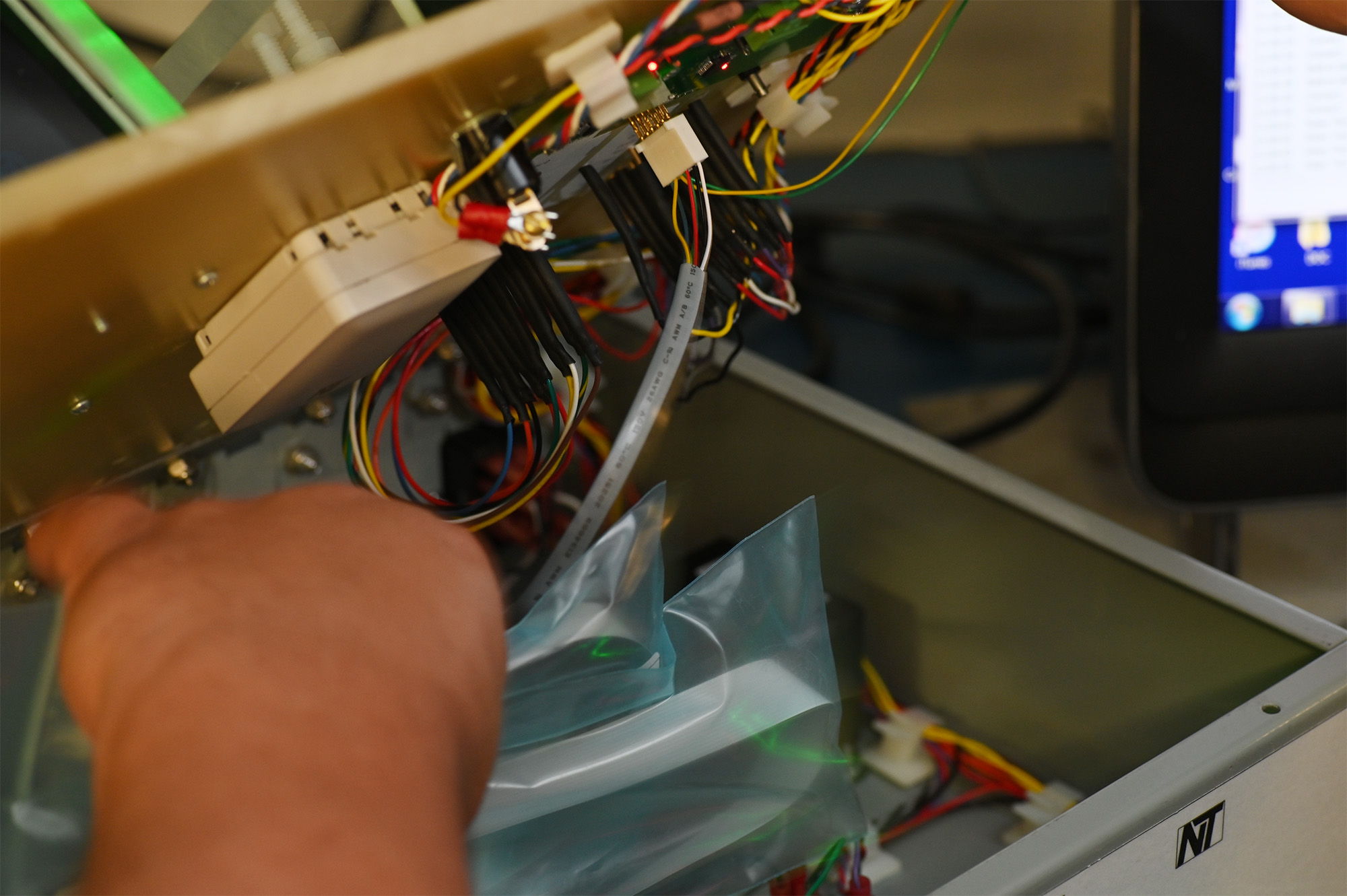
Comparing Different Wire Harness Types: Which One Fits Your Needs?
Wire harnesses are critical components in electrical systems, organizing and protecting wires to ensure reliable performance across various applications. With multiple types available, choosing the right wire harness depends on your project’s requirements, environment, and budget. This article compares common wire harness types, their applications, advantages, and limitations to help you make an informed decision.
What is a Wire Harness?
A wire harness is an assembly of wires, cables, and connectors bundled together to transmit electrical signals or power. It simplifies installation, reduces wiring errors, and protects against environmental factors like heat, moisture, and vibration. Different types of wire harnesses are designed to meet specific needs, from automotive to aerospace applications.
Types of Wire Harness
Below, we explore the most common wire harness types, their characteristics, and ideal use cases.
1. PVC Wire Harnesses
Polyvinyl chloride (PVC) wire harnesses use PVC insulation, known for its affordability and flexibility. These harnesses are lightweight and widely used in general-purpose applications.
Best For: Budget-conscious projects with moderate environmental demands.
| Applications | Advantages | Limitations |
|---|---|---|
| Consumer electronics (e.g., TVs, computers) Automotive dashboards Home appliances | Cost-effective Flexible and easy to install Good resistance to chemicals and oils | Limited temperature range (typically up to 80°C) Not suitable for extreme environments (e.g., high heat or UV exposure) Less durable compared to other materials |
2. Teflon (PTFE) Wire Harnesses
Polytetrafluoroethylene (PTFE) wire harnesses, commonly known as Teflon harnesses, offer superior resistance to high temperatures and harsh chemicals. They are often used in demanding environments.
Best For: High-temperature or chemically harsh environments requiring durability.
| Applications | Advantages | Limitations |
|---|---|---|
| Aerospace and aviation Industrial machinery Medical equipment | High temperature tolerance (up to 260°C) Excellent chemical and moisture resistance Durable and long-lasting | Higher cost than PVC Less flexible, making installation more challenging Overkill for less demanding applications |
3. TPE Wire Harnesses
Thermoplastic elastomer (TPE) wire harnesses combine flexibility with durability. TPE is a versatile material that offers a balance between cost and performance.
Best For: Applications requiring flexibility and moderate environmental resistance.
| Applications | Advantages | Limitations |
|---|---|---|
| Automotive interiors Portable electronics Robotics | Highly flexible, ideal for tight spaces Good resistance to abrasion and weathering Environmentally friendly (recyclable) | Moderate temperature resistance (typically up to 125°C) Less resistant to extreme chemicals compared to Teflon May not be suitable for heavy-duty industrial use |
4. Silicone Wire Harnesses
Silicone wire harnesses use silicone rubber insulation, known for its flexibility and wide temperature range. They are ideal for environments with extreme temperature fluctuations.
Best For: Environments with extreme temperatures and moderate mechanical stress.
| Applications | Advantages | Limitations |
|---|---|---|
| Automotive engine compartments Medical devices Outdoor equipment | Exceptional flexibility, even at low temperatures Wide temperature range (-50°C to 200°C) Good resistance to UV, ozone, and moisture | Higher cost than PVC or TPE Softer material, less resistant to abrasion Not ideal for high-pressure mechanical applications |
5. Shielded Wire Harnesses
Shielded wire harnesses include an additional layer of conductive material (e.g., foil or braided copper) to protect against electromagnetic interference (EMI). They are designed for sensitive electronic systems.
Best For: Applications requiring high signal integrity in EMI-prone environments.
| Applications | Advantages | Limitations |
|---|---|---|
| Telecommunications Aerospace electronics Military equipment | Excellent EMI protection Reliable signal integrity Customizable shielding levels | More expensive due to additional materials Bulkier and less flexible Complex manufacturing process |
Key Factors to Consider When Choosing a Wire Harness
Selecting the right wire harness involves evaluating several factors:
- Environmental Conditions: Consider temperature, moisture, chemical exposure, and UV radiation. For high-heat environments, Teflon or silicone harnesses are ideal, while PVC suits milder conditions.
- Flexibility Needs: If the harness will be installed in tight spaces or requires frequent movement, TPE or silicone harnesses are better choices.
- EMI Protection: For sensitive electronics, shielded harnesses are essential to prevent signal interference.
- Cost Constraints: PVC harnesses are the most budget-friendly, while Teflon and shielded harnesses are pricier but offer superior performance.
- Application Requirements: Automotive, aerospace, or medical applications may have specific regulatory standards (e.g., UL, ISO, or MIL-SPEC) that dictate material choice.
Comparison Table
| Harness Type | Temperature Range | Flexibility | EMI Protection | Cost | Best For |
|---|---|---|---|---|---|
| PVC | Up to 80°C | High | None | Low | General use |
| Teflon (PTFE) | Up to 260°C | Low | Optional | High | Harsh environments |
| TPE | Up to 125°C | High | None | Moderate | Flexible applications |
| Silicone | -50°C to 200°C | Very High | None | High | Extreme temperatures |
| Shielded | Varies by material | Low to Moderate | High | High | EMI-sensitive systems |
Conclusion
Choosing the right wire harness depends on balancing performance, cost, and environmental demands. PVC harnesses are ideal for cost-sensitive, general-purpose applications, while Teflon and silicone harnesses excel in extreme conditions. TPE offers a middle ground for flexibility and durability, and shielded harnesses are crucial for EMI-sensitive environments.