

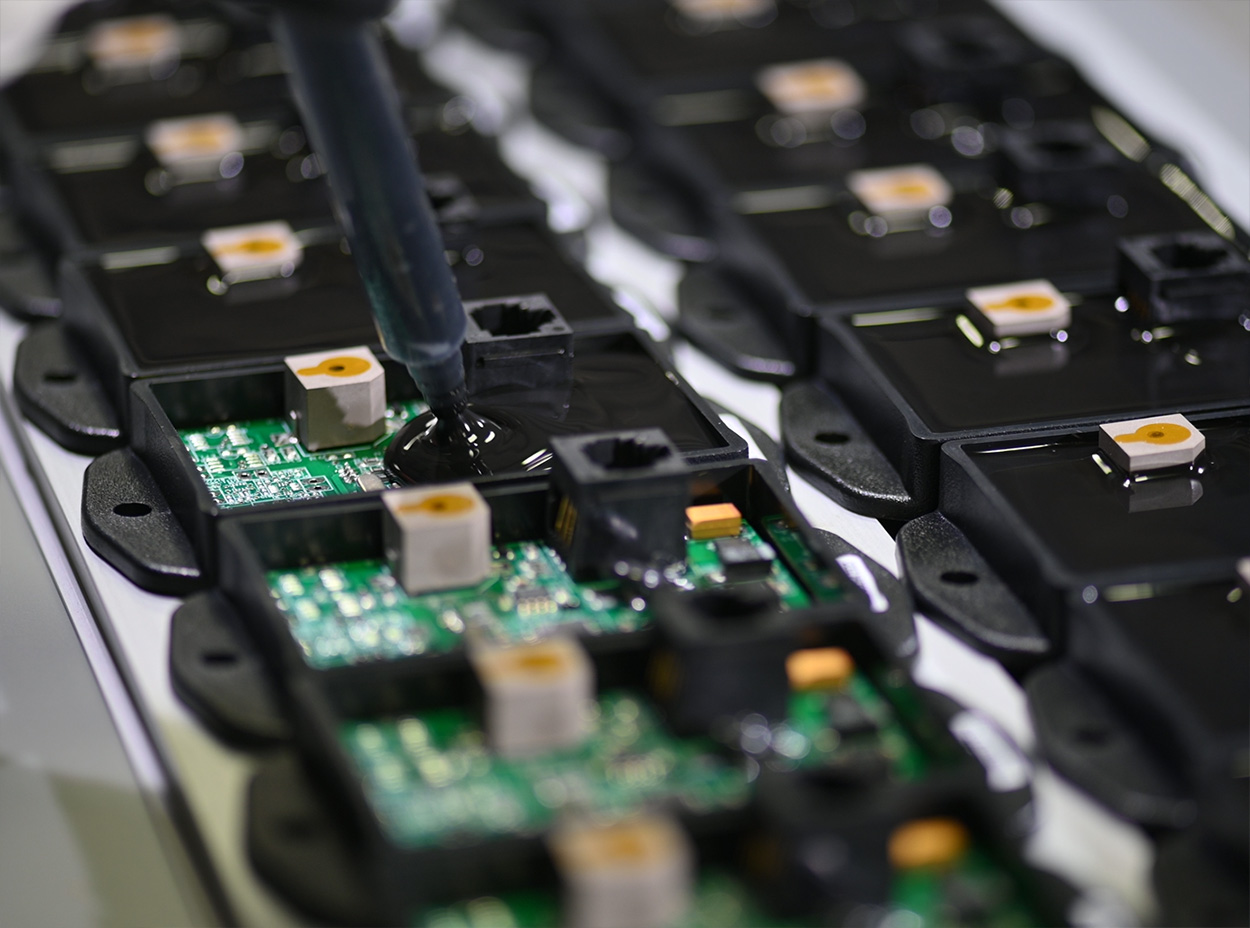
Enhancing Durability Through Potting In Electronics Manufacturing In today’s demanding electronics landscape, components are expected to operate reliably in harsh environments—exposed to heat, vibration, moisture, chemicals, and mechanical stress. Potting is a proven protection method that enhances durability, performance, and product longevity. By encapsulating electronic assemblies in specialized compounds, manufacturers can significantly improve reliability while […]
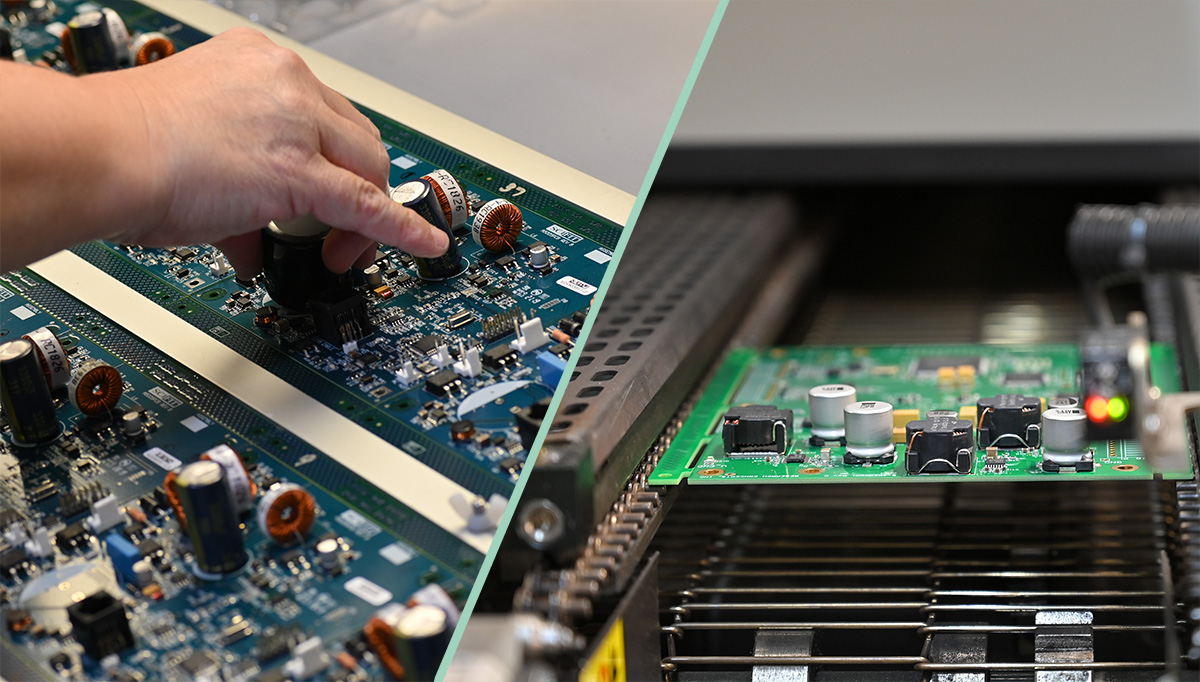
SMT vs. Through-Hole Assembly: Choosing the Right Approach for Your PCB When it comes to PCB assembly, engineers and manufacturers often face an important choice: Surface Mount Technology (SMT) or Through-Hole Technology (THT). Both play vital roles in electronics manufacturing, yet each offers distinct advantages in terms of design flexibility, performance, and durability. Understanding their […]

In industries where reliability, safety, and performance are non-negotiable, cable assemblies play a critical role in ensuring systems work as intended. Whether in aerospace, automotive, medical devices, or industrial automation, a single faulty connection can lead to costly downtime—or worse, complete system failure. That’s why rigorous testing and validation are not just optional steps, but essential parts of the cable assembly manufacturing process.
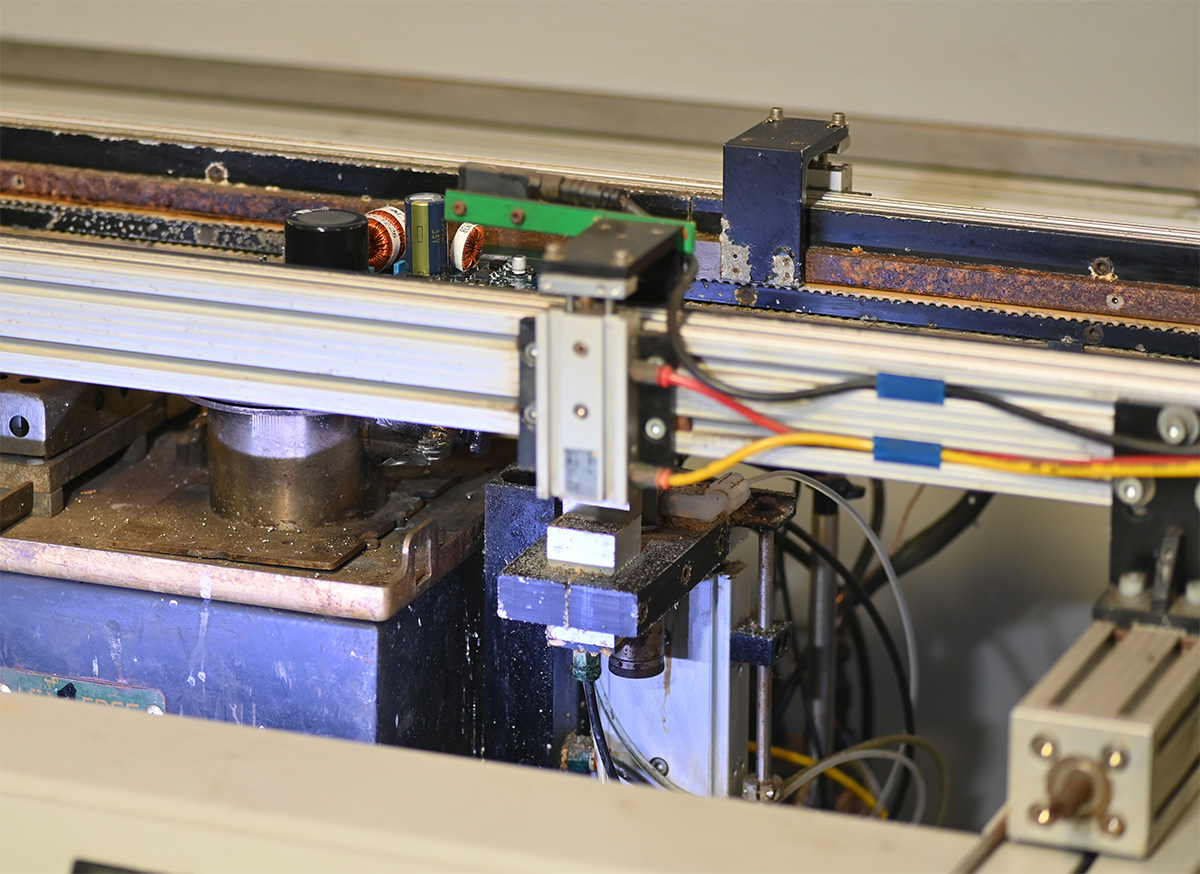
Wire harnesses play a critical role in the reliability and performance of industrial machines, vehicles, and electronic systems. Acting as the “nervous system” of equipment, they ensure that electrical signals and power are efficiently distributed to every component. Because they’re often hidden within enclosures, harnesses can be easy to overlook—until something goes wrong. Proper maintenance, however, helps prevent costly downtime and extends the lifespan of both the harness and the equipment it supports.
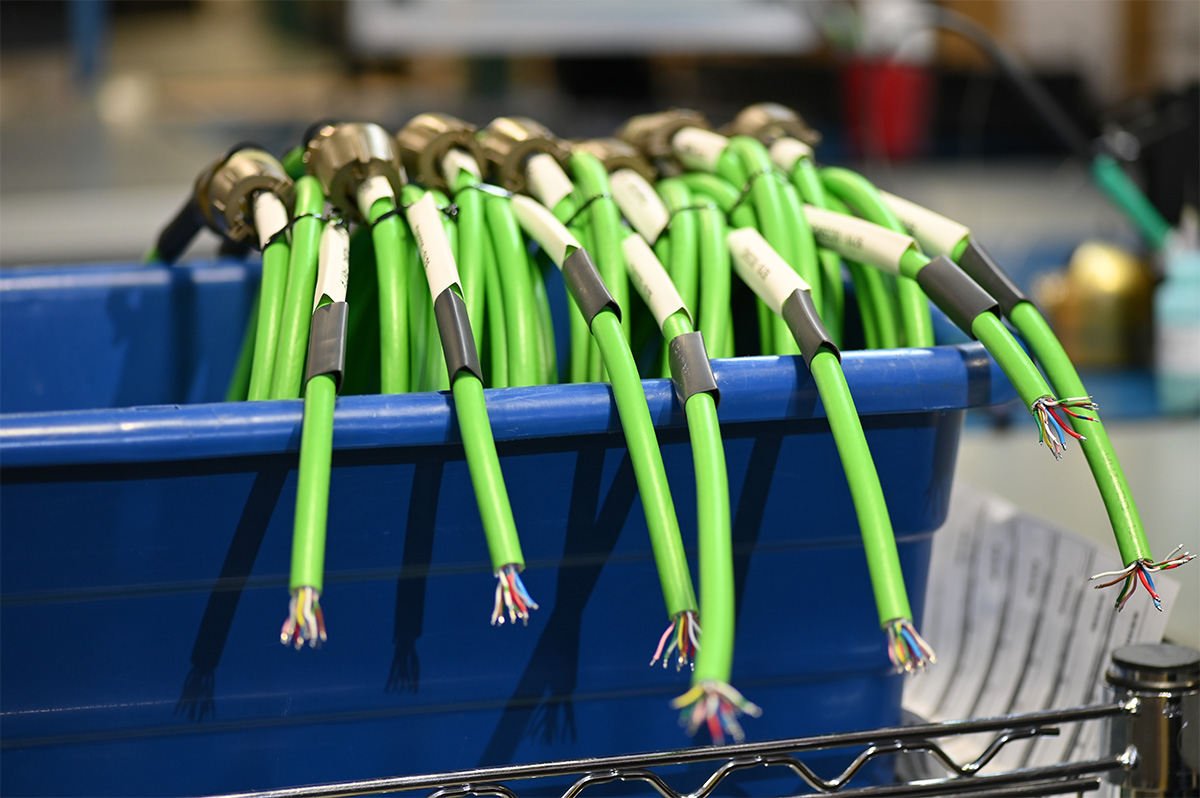
In electronics manufacturing, efficient power and signal transmission is critical to system performance and reliability. Two essential components that facilitate these transmissions are wire harnesses and cable assemblies. While these terms are often used interchangeably, they have distinct structural differences, applications, and advantages. Understanding the differences between wire harnesses and cable assemblies is vital for design engineers, procurement specialists, and manufacturing professionals.
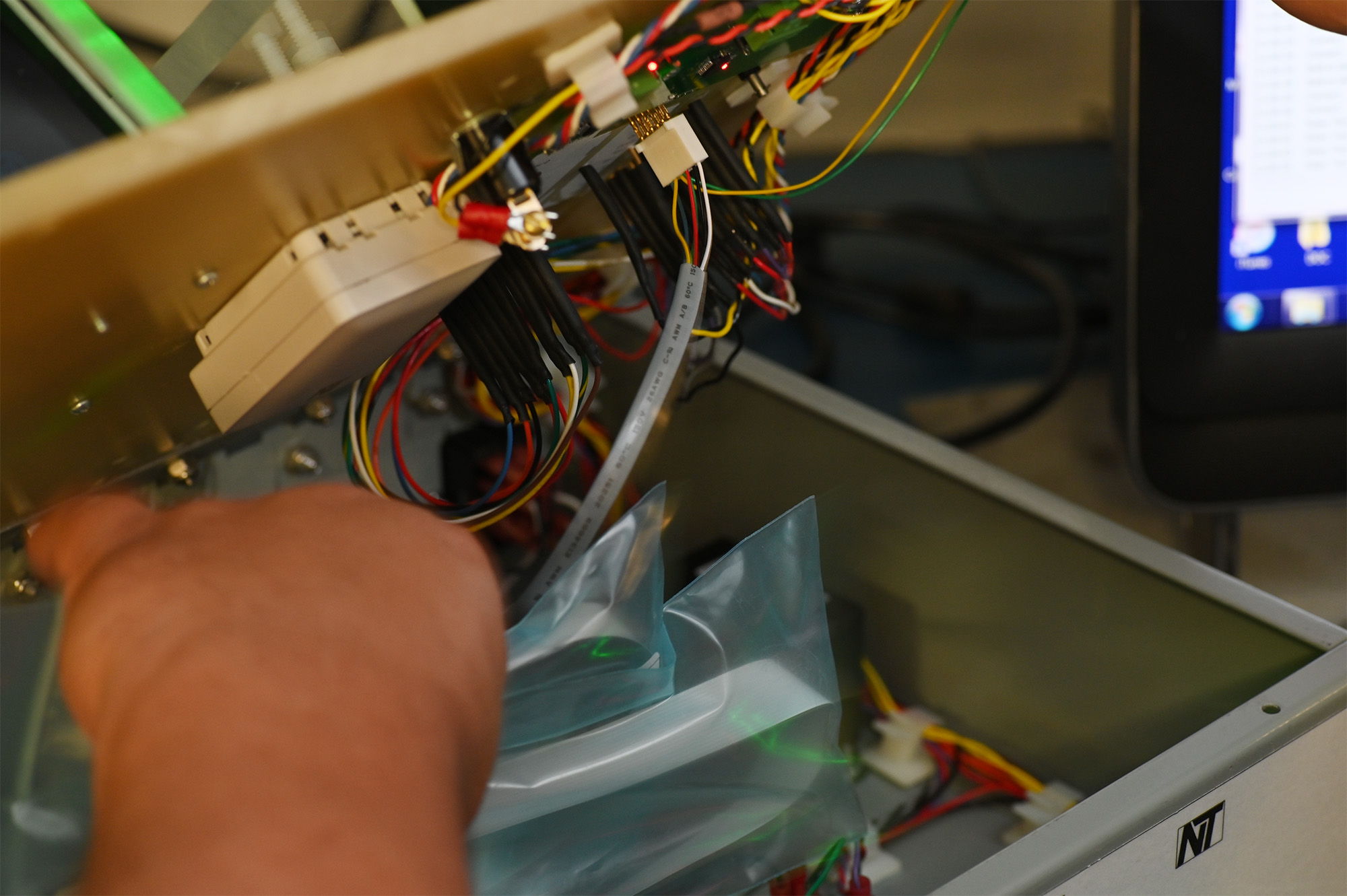
Wire harnesses are critical components in electrical systems, organizing and protecting wires to ensure reliable performance across various applications. With multiple types available, choosing the right wire harness depends on your project’s requirements, environment, and budget. This article compares common wire harness types, their applications, advantages, and limitations to help you make an informed decision.