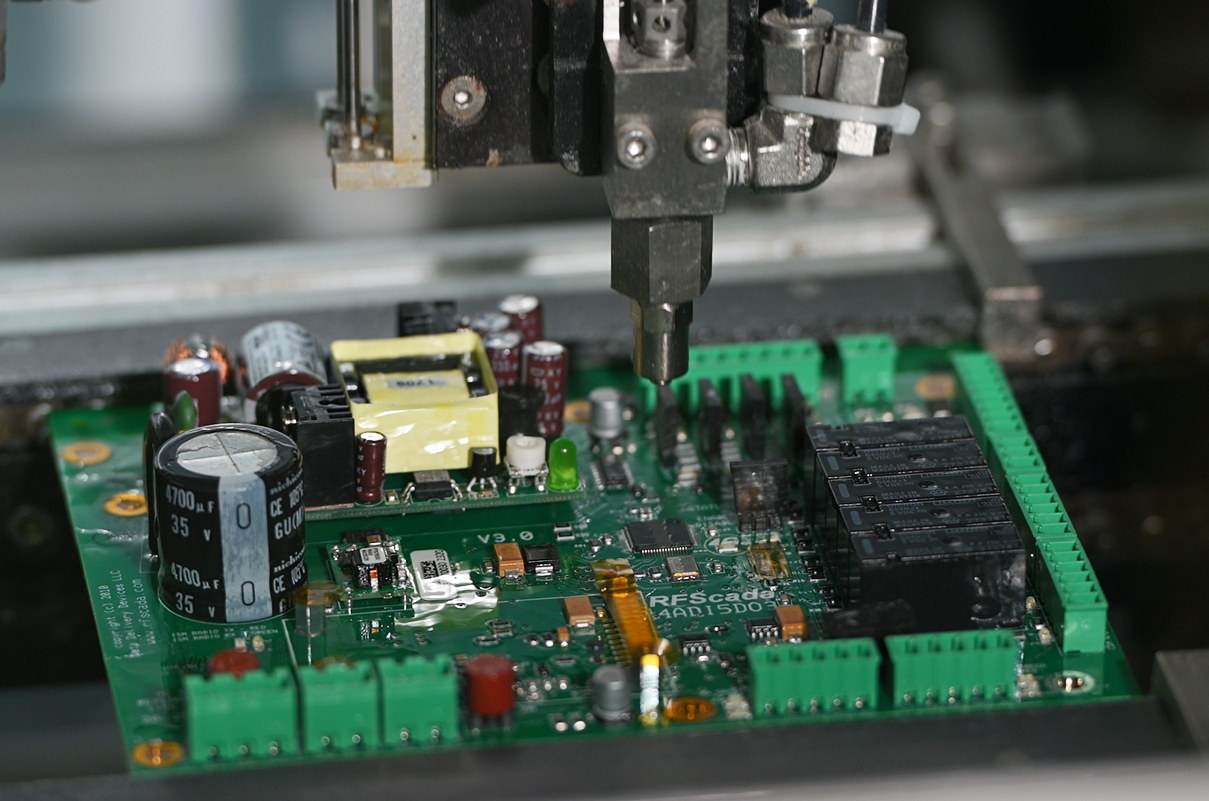
A Practical Guide to PCB Conformal Coatings for OEMs
As electronics move into harsher environments—from industrial equipment to outdoor IoT—protecting printed circuit boards (PCBs) is no longer optional. For OEMs, PCB conformal coating is a critical step in improving reliability, durability, and long-term performance.
This guide breaks down everything you need to know—from materials and processes to design considerations and partner selection.
What Is PCB Conformal Coating?
PCB conformal coating is a thin protective polymer layer applied to assembled PCBs. It conforms to the contours of components, solder joints, and traces, creating a barrier against environmental hazards without interfering with functionality.
| Feature | Description |
| Thickness | Typically 25–250 microns |
| Coverage | Conforms to full PCB surface and components |
| Purpose | Protects against moisture, dust, chemicals, and corrosion |
| Application Stage | Post-assembly |
Why OEMs Use Conformal Coating
| Benefit | Impact on OEM Products |
| Moisture Protection | Prevents corrosion and short circuits |
| Chemical Resistance | Shields against oils, solvents, and contaminants |
| Electrical Insulation | Improves dielectric strength and reduces failures |
| Extended Lifespan | Reduces field failures and warranty costs |
| Environmental Protection | Enables operation in harsh conditions |
Types of Conformal Coatings
| Type | Key Advantages | Limitations | Best Use Cases |
| Acrylic (AR) | Easy to apply and rework, low cost | Moderate protection | Consumer electronics |
| Silicone (SR) | Flexible, high temp resistance | Higher cost | Automotive, outdoor |
| Polyurethane (UR) | Strong chemical resistance | Harder to rework | Industrial environments |
| Epoxy (ER) | Tough and durable | Rigid, difficult repair | Harsh mechanical conditions |
| Parylene (XY) | Excellent uniform coverage | Expensive, complex process | Aerospace, medical |
The Conformal Coating Process
| Step | Description |
| 1. Cleaning | Removes flux, oils, and contaminants |
| 2. Masking | Protects connectors, test points, and critical areas |
| 3. Application | Spray, dip, brush, or selective coating |
| 4. Curing | UV, thermal, or ambient curing |
| 5. Inspection | Visual, UV, and thickness verification |
| 6. Testing | Functional validation |
Conformal Coating Application Methods
| Method | Advantages | Ideal For |
| Selective Coating | High precision, automated | High-volume production |
| Spray Coating | Flexible, scalable | Medium volume |
| Dip Coating | Full coverage | Simple designs |
| Brush Coating | Low cost | Prototyping, repair |
Selective vs Full Conformal Coating
| Approach | Pros | Cons | Best Use Case |
| Selective Coating | Cost-effective, protects critical areas | Requires precision programming | Complex assemblies |
| Full Coating | Maximum protection | Higher cost, masking required | Harsh environments |
Design Considerations for OEMs
| Factor | Recommendation |
| Component Selection | Avoid coating-sensitive parts where possible |
| PCB Layout | Allow spacing for coating and inspection |
| Thermal Management | Avoid excessive coating thickness |
| Serviceability | Choose coatings that allow rework if needed |
| Masking Areas | Minimize complex masking requirements |
Industry Standards & Compliance
| Standard | Description |
| IPC-CC-830 | Performance requirements for conformal coatings |
| MIL-I-46058C | Military specification (legacy reference) |
| UL 746E | Electrical insulation properties |
Common Challenges and Solutions
| Challenge | Cause | Solution |
| Uneven Thickness | Poor application control | Use automated coating systems |
| Bubbles / Voids | Trapped air, contamination | Proper cleaning and controlled curing |
| Poor Adhesion | Surface contamination | Thorough pre-cleaning |
| Cracking | Excessive thickness | Apply multiple thin layers |
When Should OEMs Use Conformal Coating?
- Outdoor or high-humidity environments
- Exposure to chemicals, dust, or salt
- High-reliability applications
- High-density or high-voltage PCB designs
Choosing the Right Conformal Coating Service Partner
| Capability | Why It Matters |
| Material Expertise | Ensures correct coating selection |
| Selective Coating Equipment | Improves precision and efficiency |
| In-House Cleaning | Critical for adhesion and quality |
| Inspection & Testing | Ensures consistent results |
| Full Assembly Integration | Streamlines manufacturing workflow |
Final Thoughts
PCB conformal coating is more than a finishing step—it’s a critical reliability strategy for OEMs. By protecting electronics from environmental stress and improving long-term performance, it helps reduce failures, extend product life, and strengthen customer satisfaction.
For OEMs looking to scale production while maintaining quality, integrating conformal coating into your EMS workflow is a smart, future-proof investment.
At EMS, Inc., PCB conformal coating is fully integrated into our electronics manufacturing workflow—ensuring consistent quality, faster turnaround times, and seamless production. Our team works closely with OEMs to select the right coating materials and application methods based on each product’s environment, performance requirements, and lifecycle expectations.
We offer both selective and full conformal coating using controlled, repeatable processes that include precision masking, automated application, and thorough inspection. By combining coating services with in-house PCB assembly, testing, and box build capabilities, EMS Inc. helps customers reduce handling, minimize risk, and accelerate time to market.
- Material selection guidance for specific applications
- Selective and full-board coating capabilities
- Precision masking for connectors and critical areas
- Integrated cleaning, curing, and inspection processes
- Seamless integration with full PCB assembly services
Whether your products operate in industrial, outdoor, or high-reliability environments, EMS, Inc. delivers conformal coating solutions designed to enhance durability and long-term performance.